


CASES
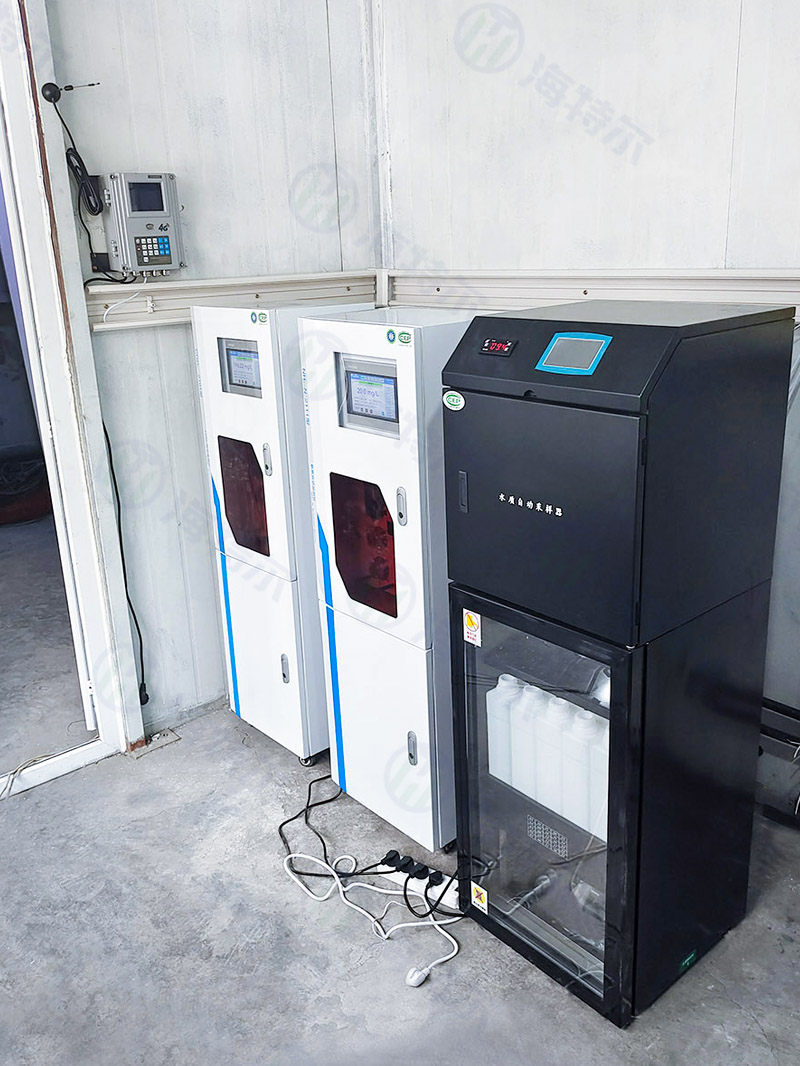
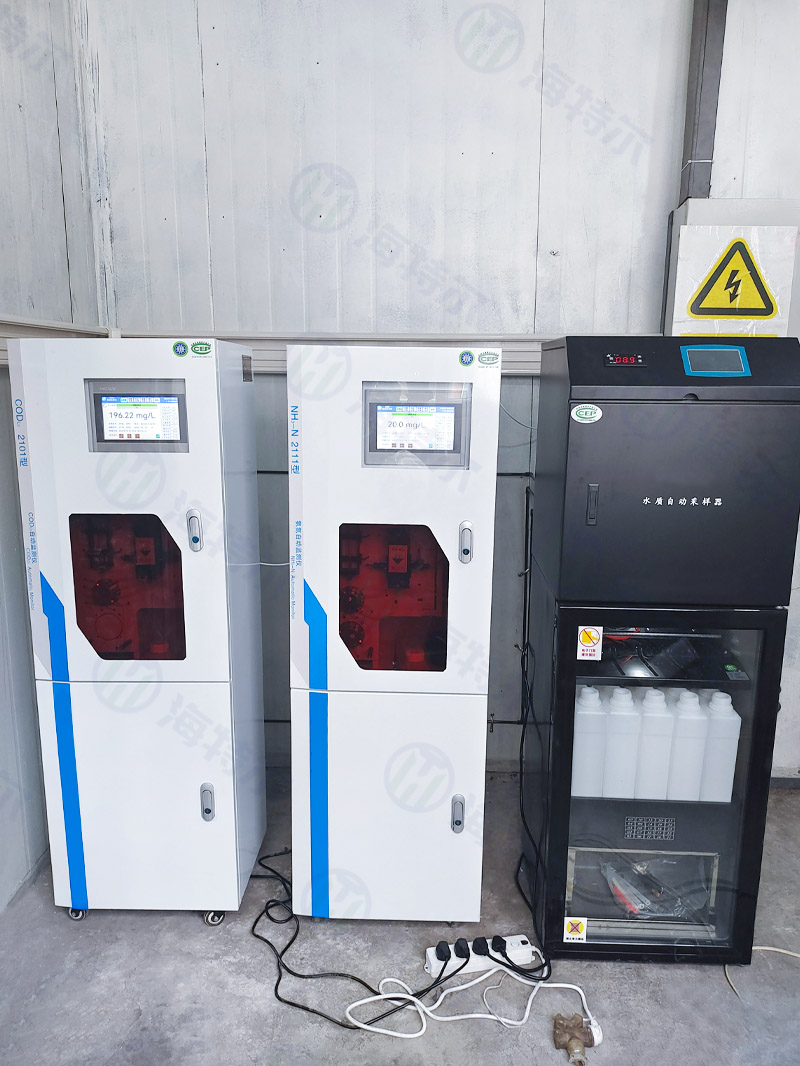
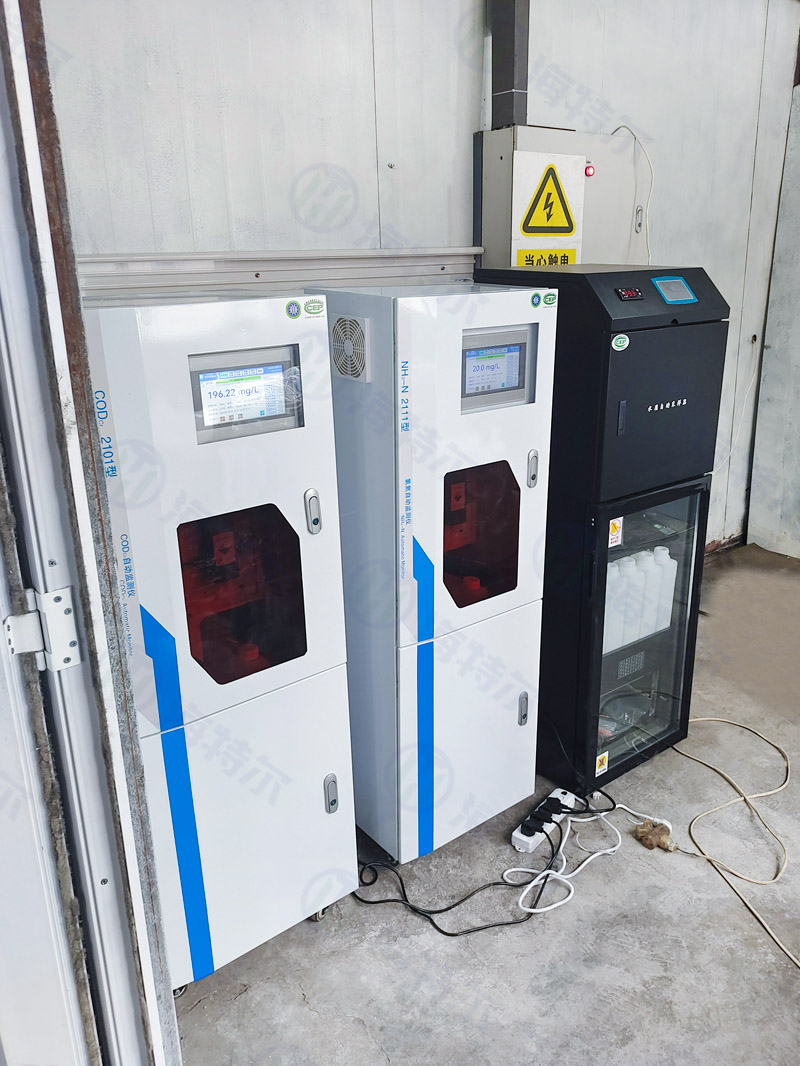
Soy product production generates large amounts of wastewater, which is rich in organic matter, proteins, fats, suspended solids, and other components. If discharged untreated, it can cause serious environmental pollution. Therefore, effective wastewater monitoring and treatment are essential for environmental protection and compliance with relevant laws and regulations.
Characteristics of Soy Product Wastewater
High organic concentration: including unused soybean proteins, sugars, etc.
High nitrogen and phosphorus content: derived from natural components in soybeans.
High color intensity: due to soybean pigments and other soluble substances.
Suspended solids (SS): including fine soybean residue particles.
Relatively high temperature: especially wastewater generated during the cooking/soy milk boiling process.
Monitoring Indicators
Chemical Oxygen Demand (COD): measures the amount of oxygen consumed when organic matter in water is oxidized by a strong oxidizing agent; a key indicator of water pollution levels.
Biochemical Oxygen Demand (BOD): indicates the amount of oxygen consumed by microorganisms when decomposing biodegradable organic matter in water under aerobic conditions.
Suspended Solids (SS): reflects the content of insoluble solid substances in water.
Ammonia Nitrogen (NH₃-N): measures the content of ammonia nitrogen in water; excessive levels can lead to eutrophication.
Total Phosphorus (TP): measures the total amount of phosphorus in water, also a factor contributing to eutrophication.
pH value: a suitable pH range supports effective microbial treatment processes.
Color intensity: affects the aesthetics of receiving water bodies and photosynthesis.
Different countries and regions have strict regulations on industrial wastewater discharge. Enterprises must regularly test and report pollutant discharge levels according to local environmental protection requirements to ensure compliant discharge.
Soy product enterprises must prioritize wastewater treatment during production, implement effective wastewater monitoring plans, and adopt appropriate treatment measures to reduce environmental impact while ensuring compliance with environmental protection laws and regulations.
Previous:Hainan Xinlong Town Sewage Treatment Plant
Next:None

Mobile Official Website

WeChat Official Account
ADDRESS:Liandong U Valley, No. 328 Chengkang Road, Xiazhuang
Subdistrict, Chengyang District, Qingdao City, Shandong Province
E-MAIL:qdhaiter@163.com
Copyright © 2026 Qingdao Haiter Environmental Protection Technology Co., Ltd www.haiterhb.com
ICP: Shandong ICP Filing No. 2021001700-1  Network Security Record No. 37021402001393 (Shandong)
Copyright © 2026 Qingdao Haiter Environmental Protection Technology Co., Ltd www.haiterhb.com
ICP: Shandong ICP Filing No. 2021001700-1 Network Security Record No. 37021402001393 (Shandong)
TEL:400-106-2686