

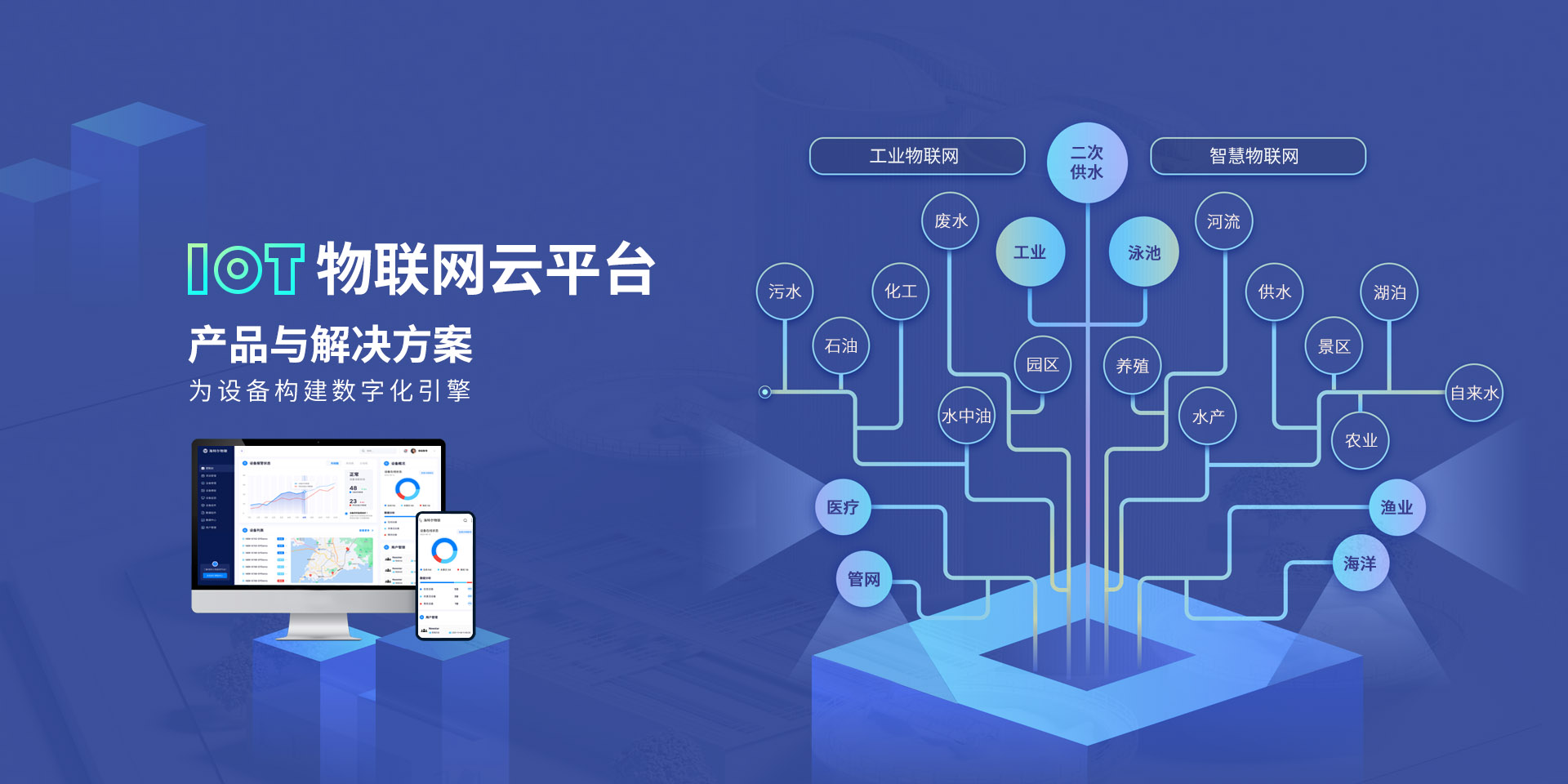
Municipal Pipe Network
Municipal Pipeline Network Monitoring (Water Quality, Flow, Water Level, etc.) Municipal pipeline network monitoring for water quality, flow, and water level is the process of real‑time monitoring and management of key parameters in urban water supply, sewerage, and stormwater networks using advanced sensing technology, communication technology, and data analysis. The objective is to ensure the safe operation of the pipeline system, optimize water resource allocation, prevent accidents, and improve the management level of urban infrastructure. I. Monitoring Parameters 1. Water Quality Monitoring Parameters: Turbidity, pH, dissolved oxygen (DO), electrical conductivity, residual chlorine, total organic carbon (TOC), etc. Significance: Ensure that the water supply meets national drinking water standards. Monitor whether wastewater discharges comply with regulations to prevent pollution spread. Detect water quality anomalies promptly to safeguard residential water safety. 2. Flow Monitoring Parameters: Flow velocity, instantaneous flow rate, cumulative flow. Significance: Analyze water consumption patterns and optimize water resource allocation. Detect pipeline leakage or blockages, reducing water waste. Provide data support for the design of urban drainage systems. 3. Water Level Monitoring Parameters: Water level height. Significance: Monitor water levels in storage tanks, reservoirs, pumping stations, etc., to ensure normal water supply. Provide early warning of water accumulation in drainage networks to prevent urban flooding. Optimize pump start‑stop control and reduce energy consumption. II. Monitoring Objectives Ensure Water Supply Safety: Real‑time monitoring of water quality and flow ensures compliance with standards and allows prompt detection and resolution of issues. Optimize Resource Utilization: Analyze flow and water level data to allocate water resources rationally and reduce waste. Prevent Accidents: Monitor network operation to provide early warnings of leakage, blockages, or overflows. Support Smart City Development: Integrate IoT, big data, and AI to achieve intelligent management of pipeline networks. III. Monitoring Methods and Technologies Perception Layer Water quality sensors: For measuring turbidity, pH, residual chlorine, etc. Flow meters: Ultrasonic flow meters, electromagnetic flow meters, etc., for measuring flow velocity and rate. Water level gauges: Float‑type, pressure‑type, or radar level sensors for measuring water height. Network Layer Use wireless communication technologies (NB‑IoT, LoRa, 5G) to transmit collected data to the monitoring center. Ensure data transmission stability and security. Platform Layer Build an IoT cloud platform for data storage, processing, and analysis. Provide data visualization interfaces for users to view real‑time pipeline network status. Application Layer Develop web and mobile applications supporting remote monitoring, alert notifications, and data analysis. Provide fault diagnosis and operation/maintenance management functions to assist decision‑making. IV. Monitoring Workflow Data Acquisition: Collect real‑time water quality, flow, water level, and other parameters via sensors. Data Transmission: Upload data to the cloud or monitoring center using communication networks. Data Analysis: Analyze data trends and identify anomalies based on big data and AI. Alert & Response: Trigger alarm mechanisms when monitored data exceeds preset thresholds and notify relevant personnel to take action. Operation & Maintenance: Regularly maintain monitoring equipment and optimize system performance. V. Application Scenarios Water Supply Networks: Real‑time monitoring of water quality and flow to ensure supply safety; detect leak points and reduce water waste. Sewerage Networks: Monitor wastewater discharge quality to prevent environmental pollution; provide early warning of flooding risks to protect urban infrastructure. Stormwater Networks: Monitor stormwater collection and discharge to optimize urban drainage systems; prevent urban waterlogging caused by heavy rain. VI. Advantages Real‑time Capability: Real‑time data acquisition and transmission for rapid response to anomalies. Accuracy: High‑precision sensors and data analysis techniques ensure reliable monitoring results. Economy: Reduce manual inspection costs and extend pipeline service life. Scalability: Support integration with other smart city systems to create synergistic effects. Security: Encrypted data transmission ensures information security; real‑time alerts reduce accident risks. Municipal pipeline network monitoring (water quality, flow, water level, etc.) is a vital component of smart city construction. It significantly enhances urban management水平和 service quality, contributing to the achievement of sustainable development goals.


 Network Security Record No. 37021402001393 (Shandong)