

Wastewater Treatment
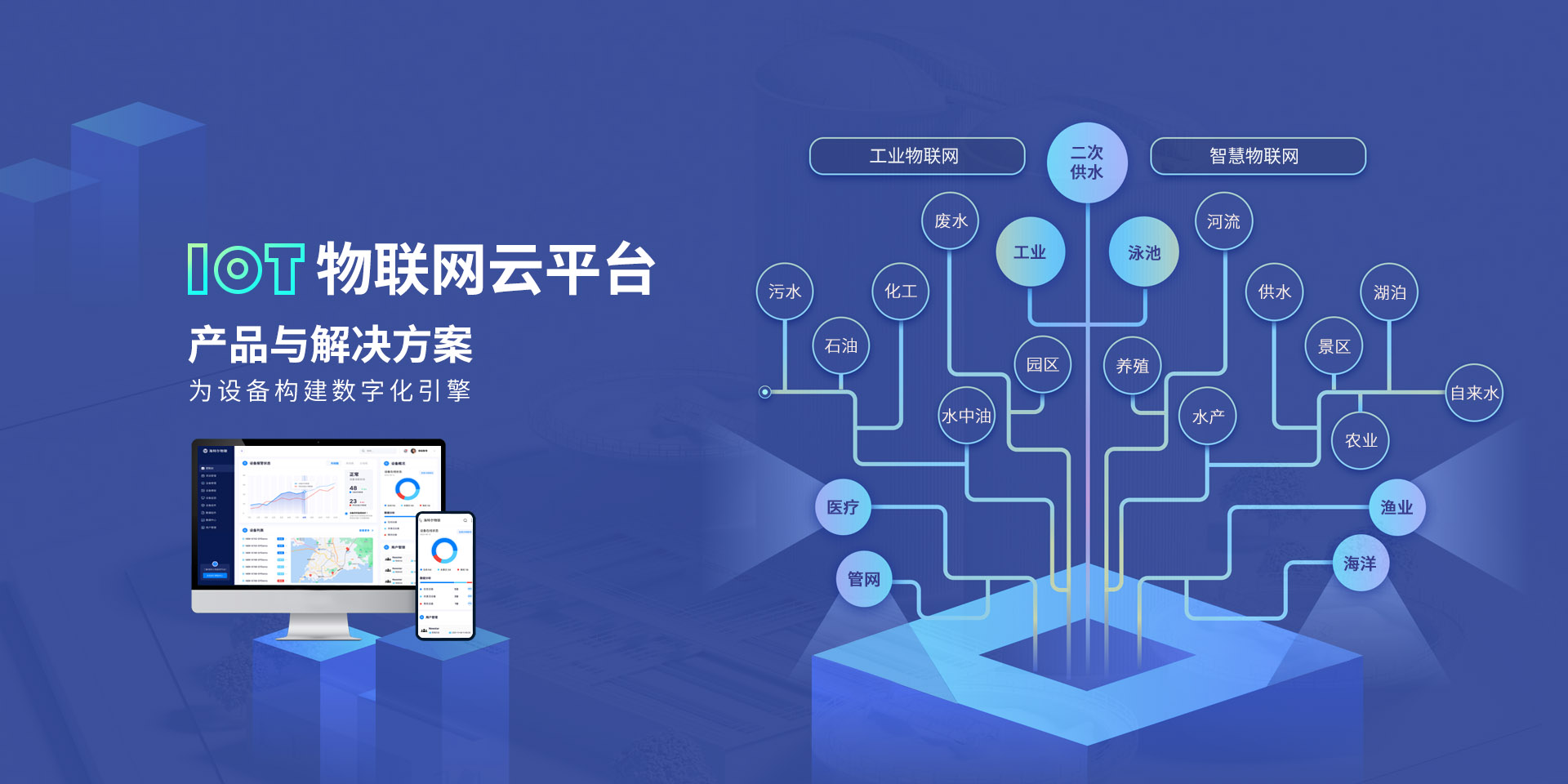
Smart Campus Water Quality Monitoring Solution The smart campus water quality monitoring solution uses advanced sensor technology, the Internet of Things (IoT), big data analytics, and artificial intelligence (AI) to enable real‑time monitoring and management of water bodies within a campus (such as landscape water, industrial wastewater, domestic sewage, stormwater pipelines, etc.). The goal is to ensure water quality safety, optimize water resource utilization, and support the sustainable development of the campus. I. Solution Objectives Ensure Water Quality Safety: Real‑time monitoring of key parameters of water bodies on campus to ensure compliance with relevant standards and prevent pollution spread. Improve Management Efficiency: Achieve water quality data collection, analysis, and early warning through intelligent means, reducing manual intervention. Promote Resource Conservation: Optimize water resource allocation, reduce waste, and lower operating costs. Support Smart Development: Integrate water quality monitoring into the smart campus management system to enhance the overall intelligence level of the campus. II. Key Monitoring Parameters Landscape Water Parameters: Turbidity, pH, dissolved oxygen (DO), electrical conductivity, total nitrogen (TN), total phosphorus (TP), chemical oxygen demand (COD), etc. Significance: Ensure landscape water is clear, odor‑free, and maintains a healthy campus ecological environment. Industrial Wastewater Parameters: pH, chemical oxygen demand (COD), ammonia‑N (NH₃‑N), heavy metal ions (e.g., lead, cadmium, mercury), suspended solids (SS), etc. Significance: Prevent excessive discharge of industrial wastewater and protect the campus and surrounding environment. Domestic Sewage Parameters: pH, ammonia‑N (NH₃‑N), total phosphorus (TP), chemical oxygen demand (COD), suspended solids (SS), etc. Significance: Monitor the effectiveness of domestic sewage treatment to ensure compliant discharge or reuse. Stormwater Pipelines Parameters: Turbidity, pH, suspended solids (SS), chemical oxygen demand (COD), etc. Significance: Prevent initial stormwater pollution and protect campus water bodies and the external water environment. Water Supply System Parameters: Turbidity, pH, residual/total chlorine, electrical conductivity, total bacterial count, coliforms, etc. Significance: Ensure that the campus water supply meets national drinking water standards. III. System Architecture Perception Layer Deploy multi‑parameter water quality sensors (e.g., turbidity, pH, DO, conductivity) for real‑time data acquisition. Install flow meters, water level gauges, and other equipment at key nodes to monitor water flow and storage status. Network Layer Use wireless communication technologies (NB‑IoT, LoRa, 5G) to transmit collected data to the cloud or monitoring center. Ensure communication network stability and security. Platform Layer Build an IoT cloud platform for data storage, processing, and analysis. Provide data visualization interfaces for managers to view real‑time water quality status. Application Layer Develop web and mobile applications supporting remote monitoring, alert notifications, and data analysis. Offer automated control functions (e.g., automatic chemical dosing, pump start/stop). IV. Core Functions Real‑time Monitoring: 24/7 monitoring of key parameters of various water bodies on campus, generating dynamic data charts. Intelligent Alerting: Set threshold ranges; automatically trigger alarms when water quality parameters exceed normal limits. Multi‑channel notifications (SMS, email, push notifications). Data Analysis: Predict water quality trends using historical data and machine learning algorithms. Provide science‑based water quality management recommendations (e.g., discharge schedules, water replenishment cycles). Automated Control: Automatically adjust equipment status based on monitoring data. Example: Start the chemical dosing system when water quality is abnormal; activate the replenishment pump when water level is too low. Remote Management: Users can remotely view water quality status and control related equipment via mobile phone or computer. GIS Integration: Incorporate Geographic Information System (GIS) to intuitively display water body distribution and monitoring point locations on the campus. V. Implementation Steps Needs Assessment: Analyze campus size, water body types and uses, and define monitoring requirements. Identify key monitoring areas and critical parameters. Solution Design: Select appropriate sensor types and technical solutions based on requirements. Design data acquisition, transmission, and processing workflows. Equipment Deployment: Install sensors, communication modules, and other related equipment at key nodes of campus water bodies. Establish a communication network to ensure smooth data transmission. System Integration: Integrate the perception, network, and platform layers into a complete system. Conduct joint debugging and testing to verify system functionality. Operation & Maintenance: Regularly maintain monitoring equipment to ensure proper operation. Continuously optimize system performance to meet practical needs. VI. Application Scenarios Ecological Landscape Areas: Monitor landscape water (lakes, rivers, fountains, etc.) to maintain water clarity. Industrial Parks: Monitor industrial wastewater discharge to ensure compliance with environmental requirements. Residential & Service Areas: Monitor domestic sewage and water supply systems to safeguard residents’ water safety. Stormwater Management Systems: Monitor stormwater pipeline quality to prevent initial stormwater pollution. VII. Advantages Real‑time Capability: Real‑time data acquisition and transmission for rapid response to water quality anomalies. Accuracy: High‑precision sensors and data analysis techniques ensure reliable monitoring results. Economy: Reduce manual testing costs and extend equipment service life. Scalability: Support integration with other smart campus systems to create synergistic effects. Environmental Friendliness: Reduce pollutant discharge and promote ecological balance on campus. The smart campus water quality monitoring solution achieves refined and efficient water quality management through intelligent means. It not only enhances campus management but also promotes green and sustainable development.


 Network Security Record No. 37021402001393 (Shandong)