


CASES
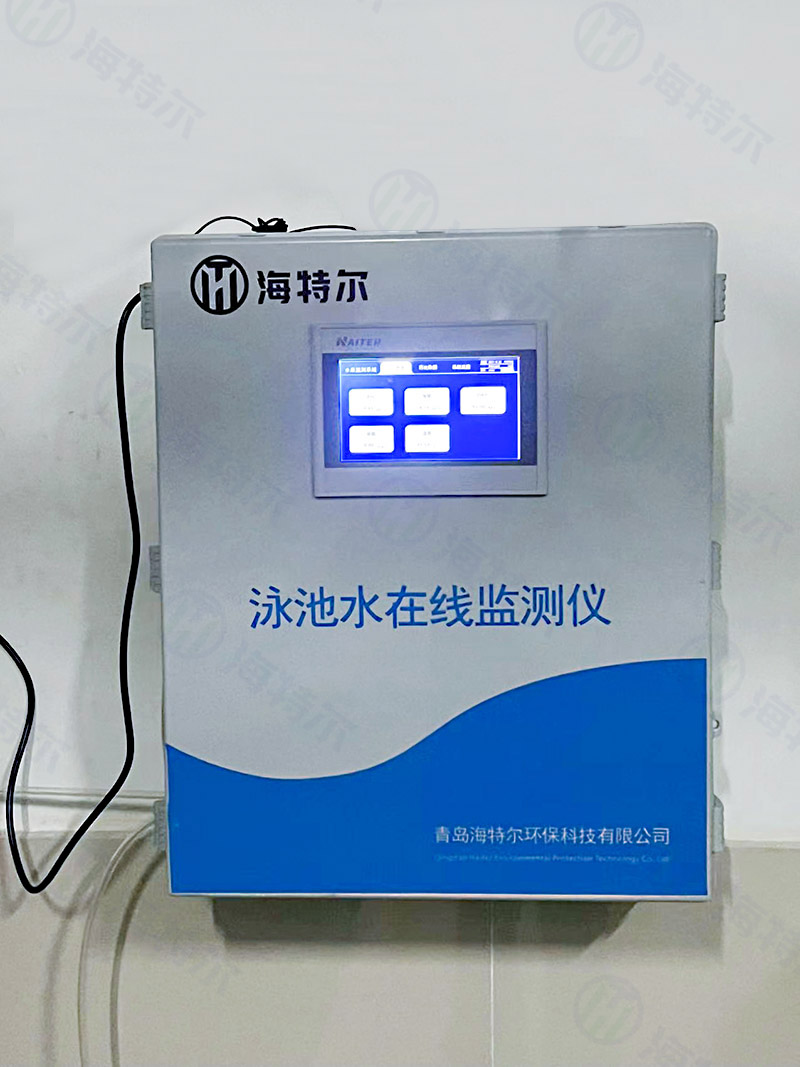
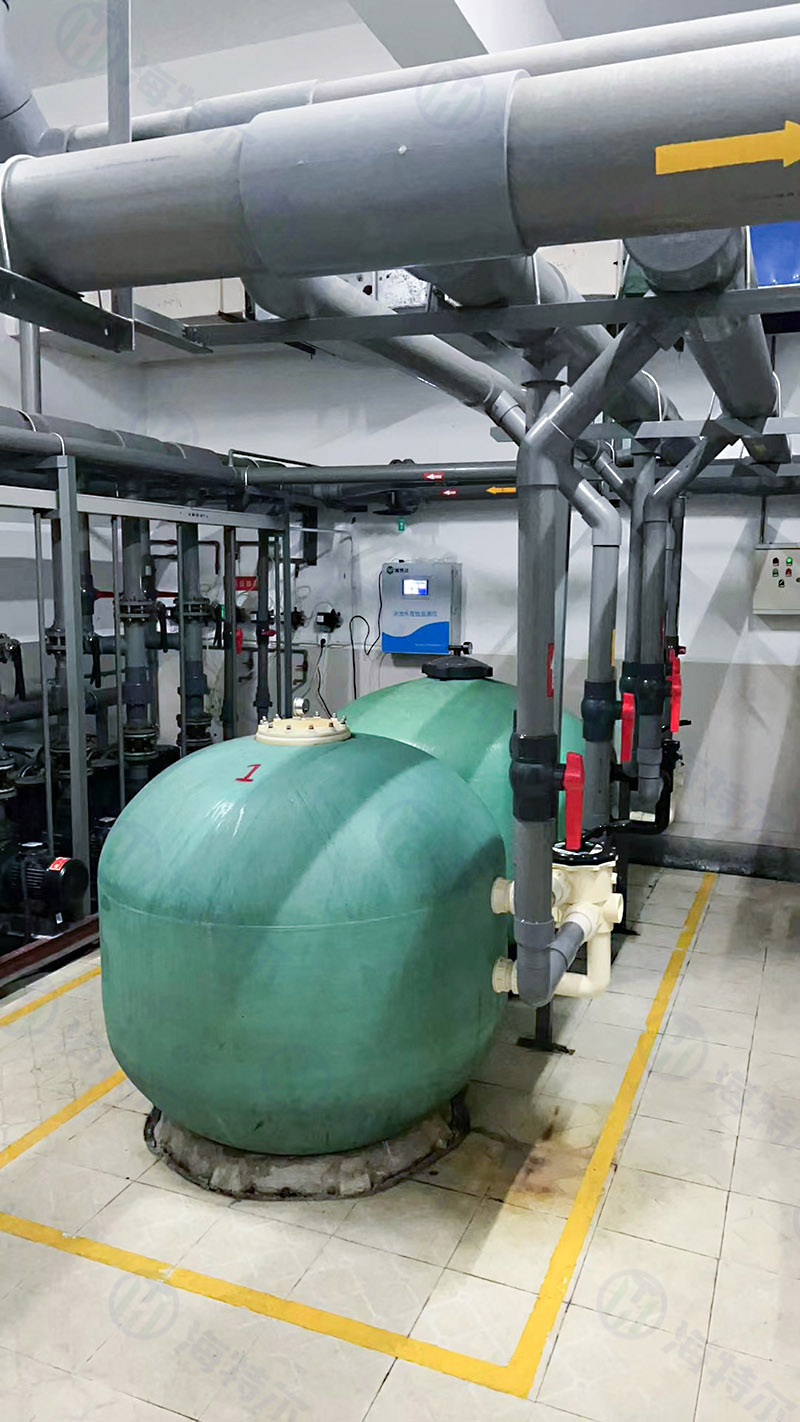
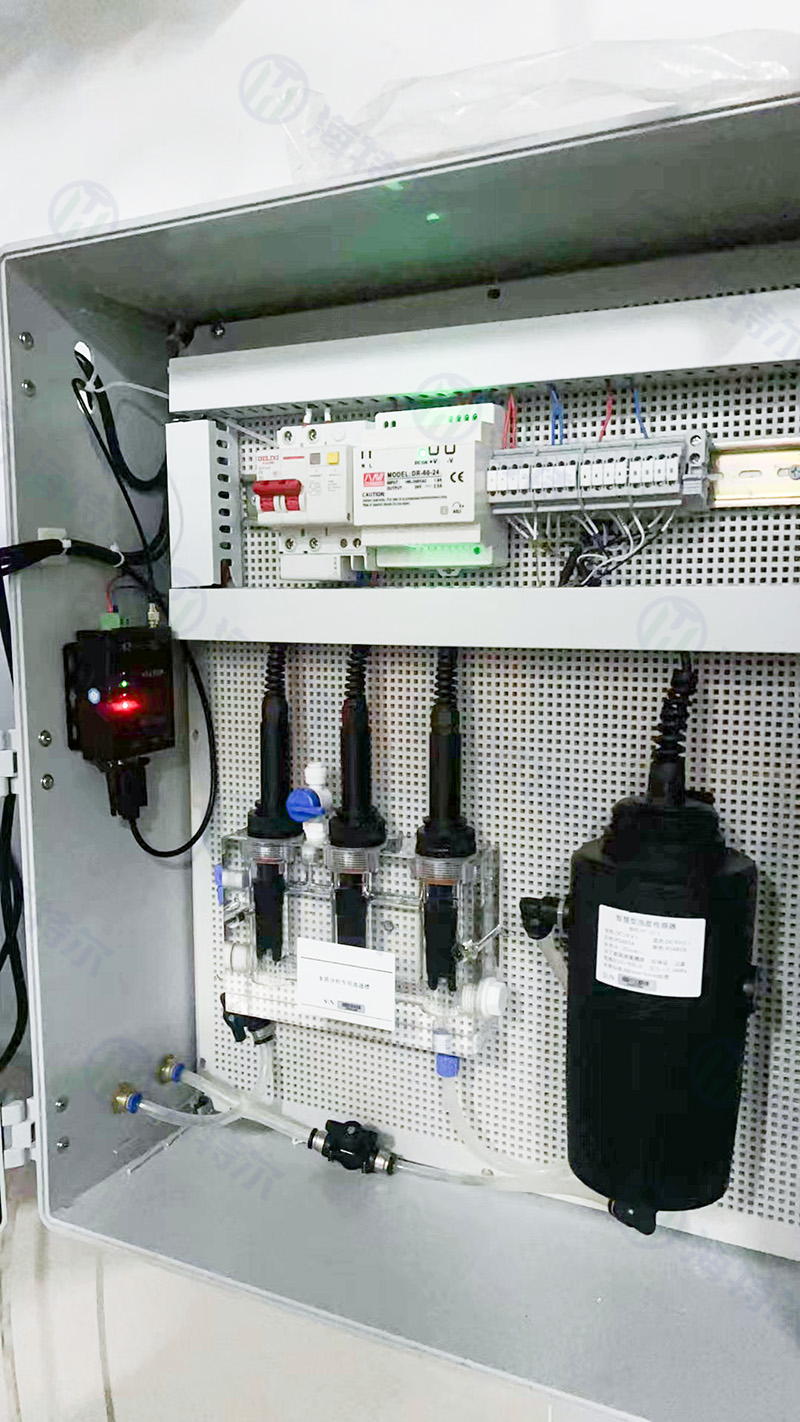
Swimming Pool Water Quality Monitoring Project
To ensure the safety and hygiene of swimming pool water, prevent the spread of diseases, and provide a healthy and comfortable environment for swimmers, scientific methods and effective management measures are used to ensure that pool water quality complies with national and local sanitary standards.
1. Project Background and Objectives
Background: With the improvement of people's living standards, attention to public health and safety has increased. As an important venue for leisure and recreation, the water quality of swimming pools directly affects public health.
Objectives: To ensure that swimming pool water quality meets national and local sanitary standards through the implementation of a scientific and systematic water quality monitoring plan, prevent the spread of diseases, and safeguard the health of swimmers.
2. Monitoring Parameters
Swimming pool water quality monitoring typically includes the following aspects:
Physical Indicators: e.g., temperature, transparency, etc.
Chemical Indicators: Including pH, residual chlorine or total chlorine concentration, alkalinity, hardness, cyanuric acid content, etc.
Microbiological Indicators: For example, the presence of pathogens such as E. coli, Cryptosporidium, etc.
Other Special Parameters: Depending on requirements, heavy metal ions, organic matter content, etc., may also be tested.
3. Monitoring Methods and Technological Applications
Online Real‑time Monitoring System: Uses sensor technology for continuous monitoring of key water quality parameters (e.g., pH, residual chlorine). Data can be transmitted in real time to a central control system or cloud platform, facilitating timely adjustments to pool management strategies.
Automated Control and Early Warning Mechanism: Automatically adjusts chemical dosing, filtration cycles, and other operations based on collected data, and issues alarms when water quality exceeds standards.
4. Data Management and Reporting
Regularly generate water quality reports, recording all test results and their trends.
Compare with national standards to assess whether current water quality meets requirements.
Provide improvement recommendations to help pool managers optimize maintenance protocols.
5. Economic Benefits and Social Impact
Economic Benefits: Maintaining good water quality can reduce repair costs caused by water quality issues and lower operational expenses.
Social Impact: Providing a healthy and safe swimming environment helps enhance public satisfaction and social image, and promotes the development of sports activities.
In summary, the swimming pool water quality monitoring project is not only crucial for protecting public health but also an effective means of improving pool management levels. Through a scientifically designed monitoring plan, pool water quality can be effectively monitored and improved, creating a comfortable and healthy exercise environment for swimmers.

Mobile Official Website

WeChat Official Account
ADDRESS:Liandong U Valley, No. 328 Chengkang Road, Xiazhuang
Subdistrict, Chengyang District, Qingdao City, Shandong Province
E-MAIL:qdhaiter@163.com
Copyright © 2026 Qingdao Haiter Environmental Protection Technology Co., Ltd www.haiterhb.com
ICP: Shandong ICP Filing No. 2021001700-1  Network Security Record No. 37021402001393 (Shandong)
Copyright © 2026 Qingdao Haiter Environmental Protection Technology Co., Ltd www.haiterhb.com
ICP: Shandong ICP Filing No. 2021001700-1 Network Security Record No. 37021402001393 (Shandong)
TEL:400-106-2686