


CASES
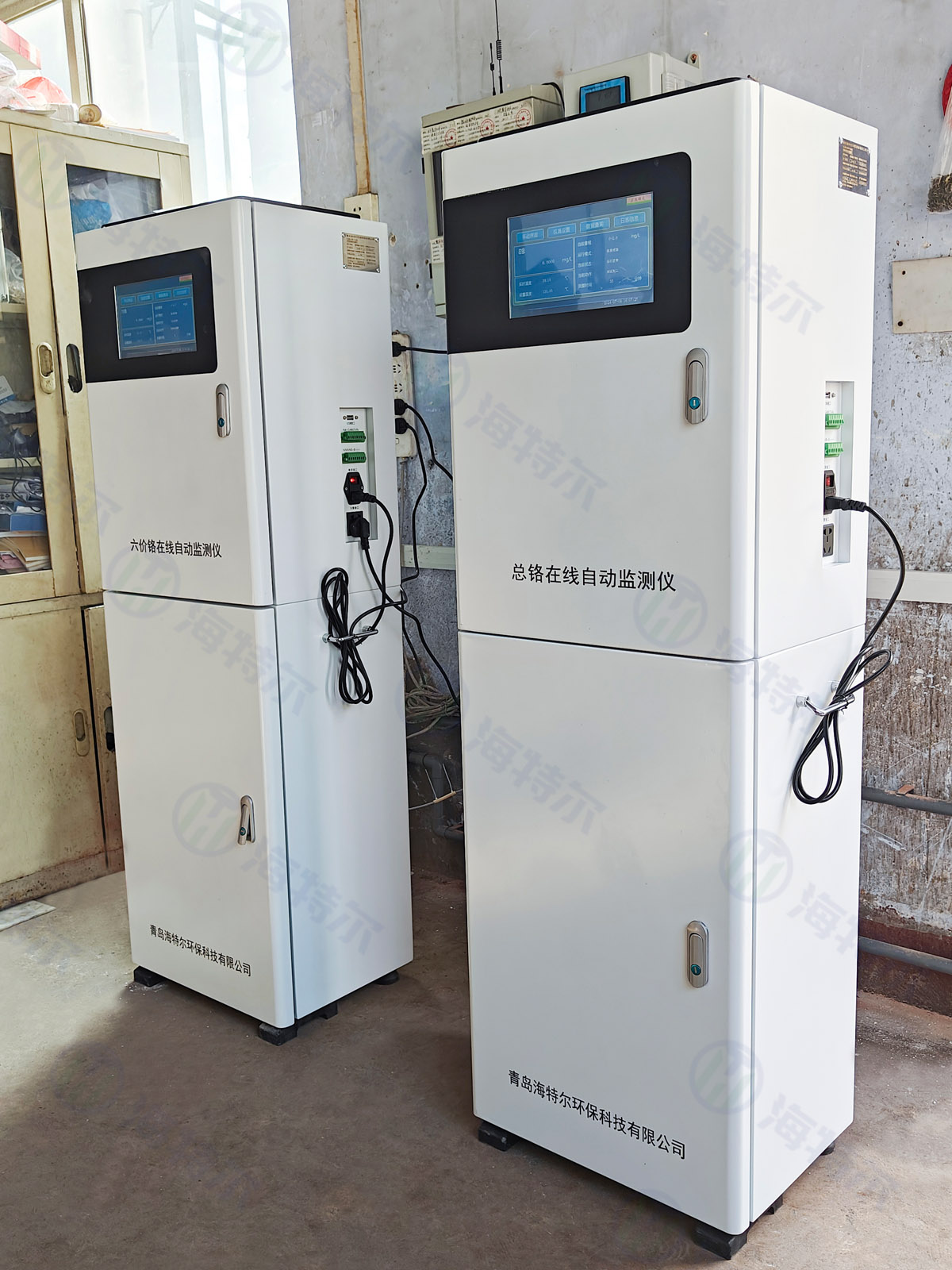
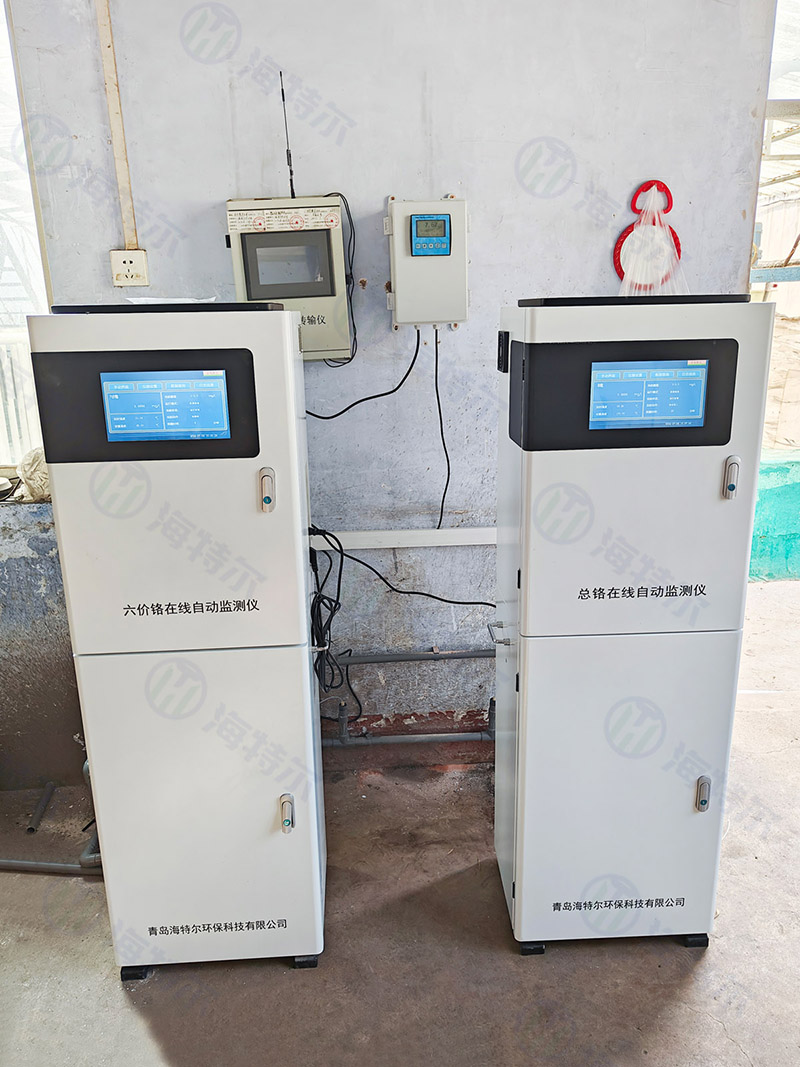
Online Water Quality Monitoring Program at Wastewater Treatment Plants
An online water quality monitoring program at a wastewater treatment plant is an essential means of ensuring that treated effluents meet discharge standards or reuse requirements. Through real-time, continuous monitoring of key water quality parameters, the effectiveness of wastewater treatment can be effectively evaluated, process issues can be promptly identified and resolved, and environmental safety can be safeguarded.
Key Categories of Online Water Quality Monitoring Parameters at Wastewater Treatment Plants
Physical Properties
Temperature: Affects microbial activity and chemical reaction rates.
Turbidity: Reflects the amount of suspended particulate matter in the water.
Color: Indicates the depth of water coloration, which may suggest the degree of organic pollution.
Chemical Properties
pH: Measures the acidity or alkalinity of water and is critical for biological treatment processes.
Dissolved Oxygen (DO): The amount of oxygen necessary to sustain aerobic microorganisms.
Chemical Oxygen Demand (COD): Represents the amount of oxygen consumed by an oxidant under specified conditions to oxidize organic substances in water, indirectly reflecting the concentration of organic pollutants.
Biochemical Oxygen Demand (BOD): The amount of dissolved oxygen required by microorganisms to decompose biodegradable organic matter over a specific period.
Ammonia Nitrogen: Measures the ammonia‑nitrogen content in wastewater; excessive levels may lead to eutrophication of water bodies.
Total Phosphorus and Total Nitrogen: Controlling these nutrients helps prevent eutrophication.
Biological Indicators
Coliform Count: Serves as an indicator of the presence of pathogenic microorganisms and is used to evaluate the sanitary quality of water.
System Composition
Sensors and Analyzers: Different sensors and analytical instruments are configured according to specific monitoring requirements to measure the above water quality parameters in real time.
Data Acquisition and Transmission Unit: Responsible for converting the data collected by sensors into digital signals and transmitting them to a data center via wired or wireless networks.
Data Processing Platform: Stores, analyzes, and visualizes the received data; supports historical data analysis, trend prediction, and automatic report generation.
Alert System: When monitoring data exceed preset safety thresholds, the system automatically triggers alarms to notify relevant personnel to take action.
Application Value
Improved Management Efficiency: Environmental protection authorities and facility managers can quickly understand the operational status of wastewater treatment facilities through online monitoring data and adjust operational strategies in a timely manner.
Optimized Treatment Processes: Based on real-time feedback data, each treatment stage can be controlled more precisely, thereby enhancing overall treatment efficiency.
Prevention of Environmental Pollution: The early-warning function helps prevent the occurrence of non-compliant discharge events, protecting the surrounding ecosystem from contamination.

Mobile Official Website

WeChat Official Account
ADDRESS:Liandong U Valley, No. 328 Chengkang Road, Xiazhuang
Subdistrict, Chengyang District, Qingdao City, Shandong Province
E-MAIL:qdhaiter@163.com
Copyright © 2026 Qingdao Haiter Environmental Protection Technology Co., Ltd www.haiterhb.com
ICP: Shandong ICP Filing No. 2021001700-1  Network Security Record No. 37021402001393 (Shandong)
Copyright © 2026 Qingdao Haiter Environmental Protection Technology Co., Ltd www.haiterhb.com
ICP: Shandong ICP Filing No. 2021001700-1 Network Security Record No. 37021402001393 (Shandong)
TEL:400-106-2686