


CASES
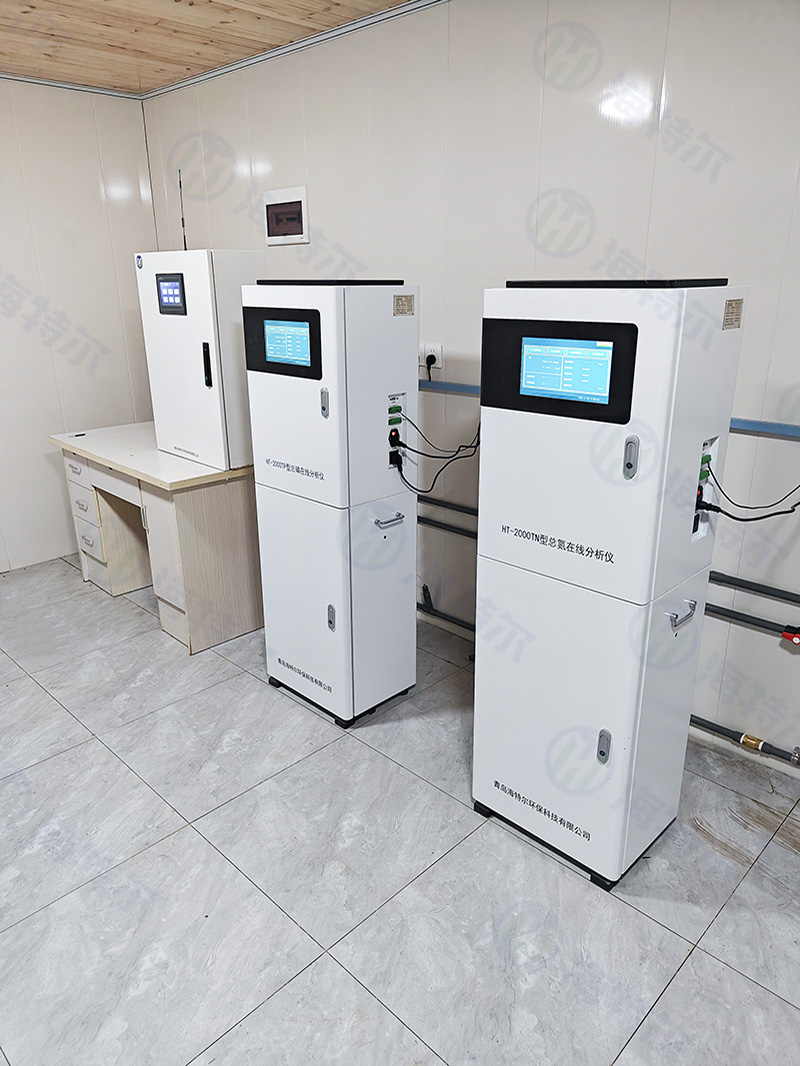
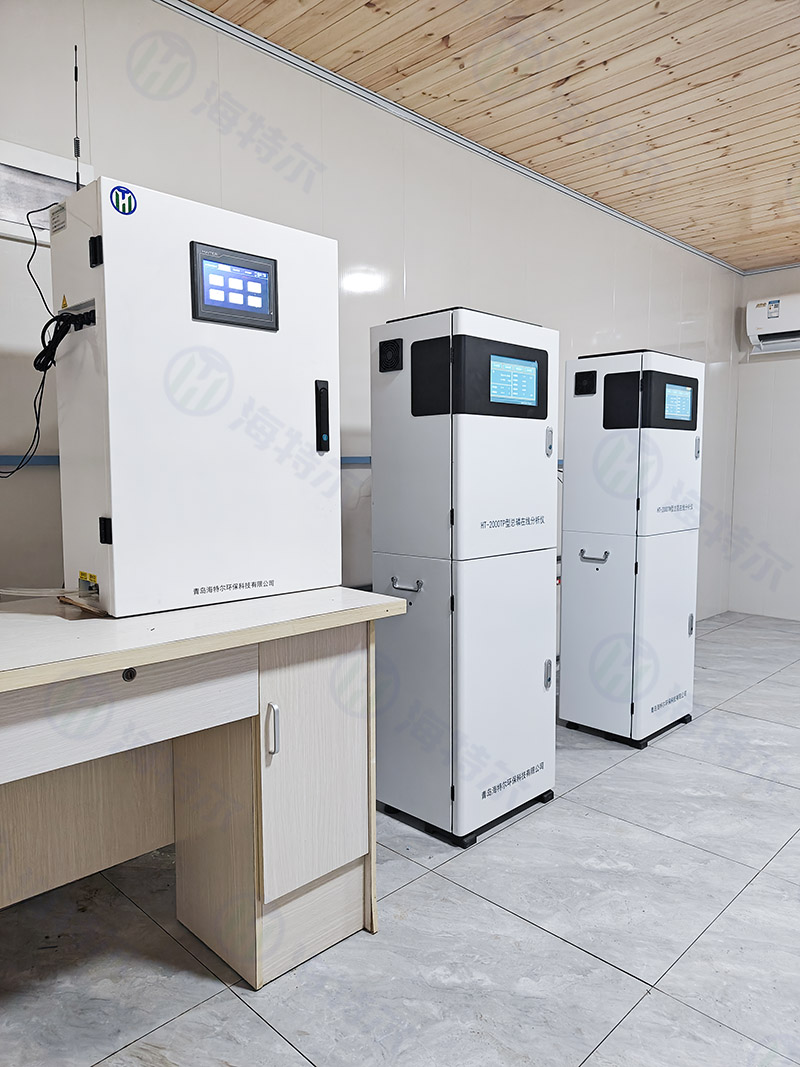
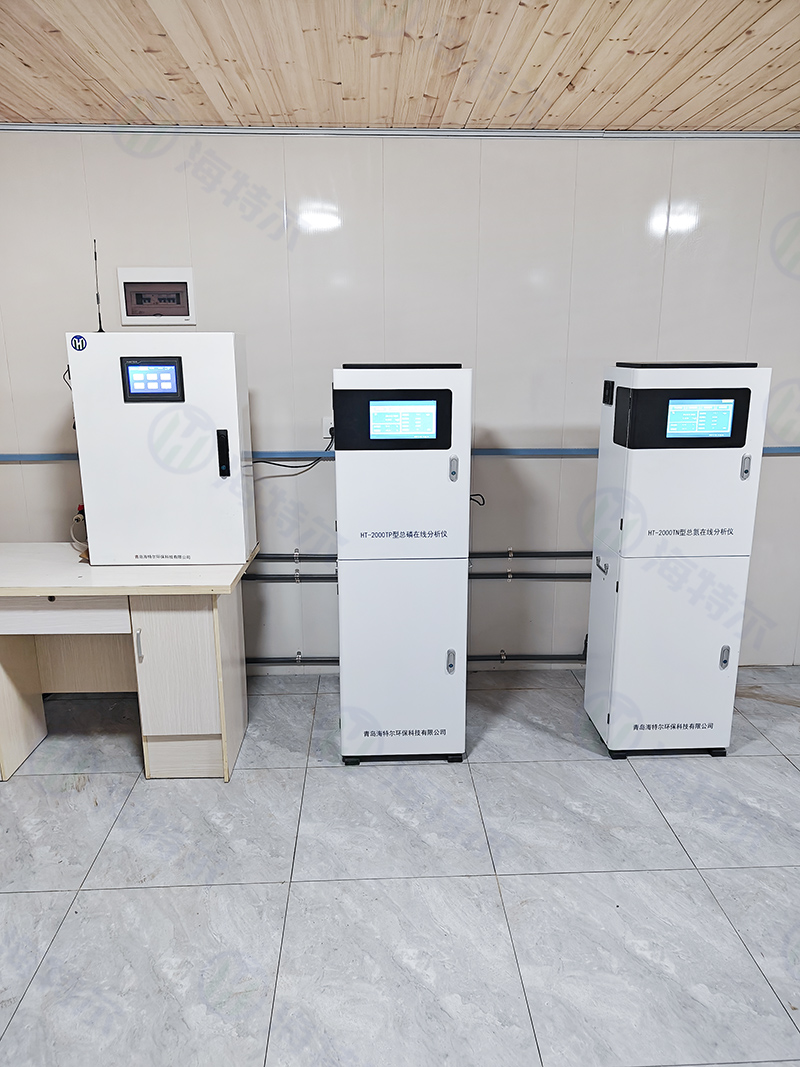
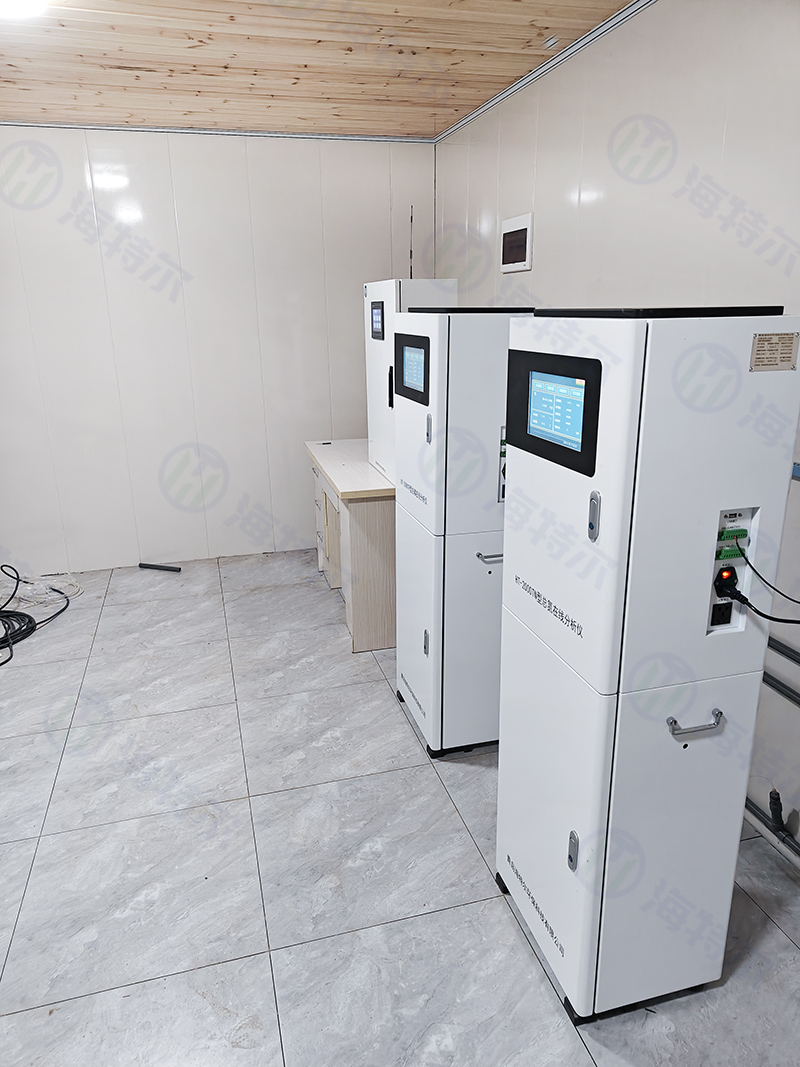
Background of the Aquaculture Tailwater Remediation Project
With the development of the aquaculture industry, the impact of aquaculture tailwater discharge on the surrounding environment has attracted increasing attention. To protect the ecological environment, many regions have begun implementing aquaculture tailwater remediation projects aimed at reducing pollutant discharge and improving water quality through scientifically sound treatment measures.
Importance of Water Quality Monitoring
For aquaculture tailwater remediation projects, water quality monitoring is a critical component for assessing treatment effectiveness, guiding process optimization, and ensuring compliance with discharge standards. By monitoring key water quality parameters in aquaculture tailwater, it is possible to track water quality trends in a timely manner, identify potential issues, and take appropriate control measures.
Monitoring Parameters
Typically, water quality monitoring for aquaculture tailwater includes the following categories of indicators:
Physical Properties: e.g., temperature, suspended solids (SS), transparency, etc.
Chemical Properties: pH, chemical oxygen demand (COD), biochemical oxygen demand (BOD), ammonia nitrogen, total phosphorus, total nitrogen, heavy metal content
Biological Indicators: e.g., coliform count, etc.
Monitoring Methods
Online Monitoring Systems: Utilize sensor technology to monitor water quality parameters in real time, such as dissolved oxygen, pH, and ammonia nitrogen. Data can be transmitted instantly to a management center.
Laboratory Analysis: For parameters requiring precise measurement or those unsuitable for online monitoring, water samples can be collected and subjected to detailed analysis in a laboratory.
Mobile Monitoring Equipment: Used for rapid on-site testing of specific indicators, facilitating flexible responses to emergency situations.
Data Management and Early Warning Mechanism
A robust water quality monitoring data management system should be established to enable effective data storage, retrieval, analysis, and sharing. Additionally, an early warning mechanism based on monitoring data should be set up, so that in the event of water quality exceedances or other anomalies, relevant personnel can be promptly notified and emergency response plans activated.
Previous:Yanji Sewage Treatment Project

Mobile Official Website

WeChat Official Account
ADDRESS:Liandong U Valley, No. 328 Chengkang Road, Xiazhuang
Subdistrict, Chengyang District, Qingdao City, Shandong Province
E-MAIL:qdhaiter@163.com
Copyright © 2026 Qingdao Haiter Environmental Protection Technology Co., Ltd www.haiterhb.com
ICP: Shandong ICP Filing No. 2021001700-1  Network Security Record No. 37021402001393 (Shandong)
Copyright © 2026 Qingdao Haiter Environmental Protection Technology Co., Ltd www.haiterhb.com
ICP: Shandong ICP Filing No. 2021001700-1 Network Security Record No. 37021402001393 (Shandong)
TEL:400-106-2686