


CASES
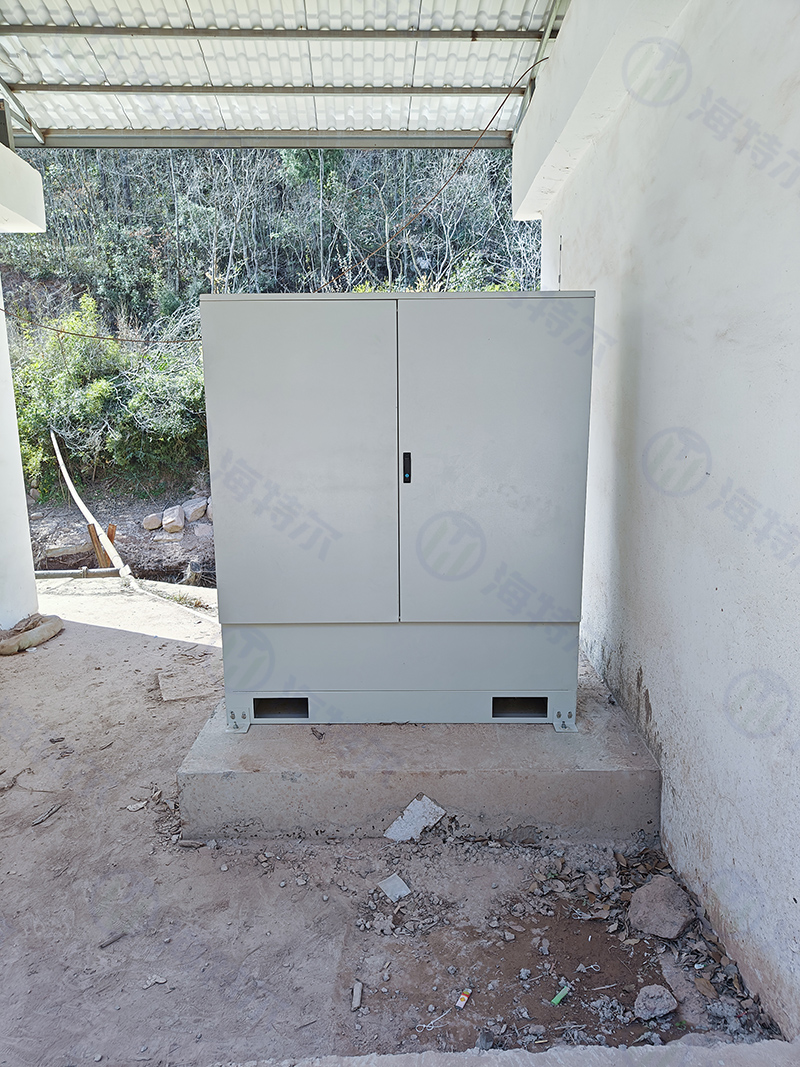
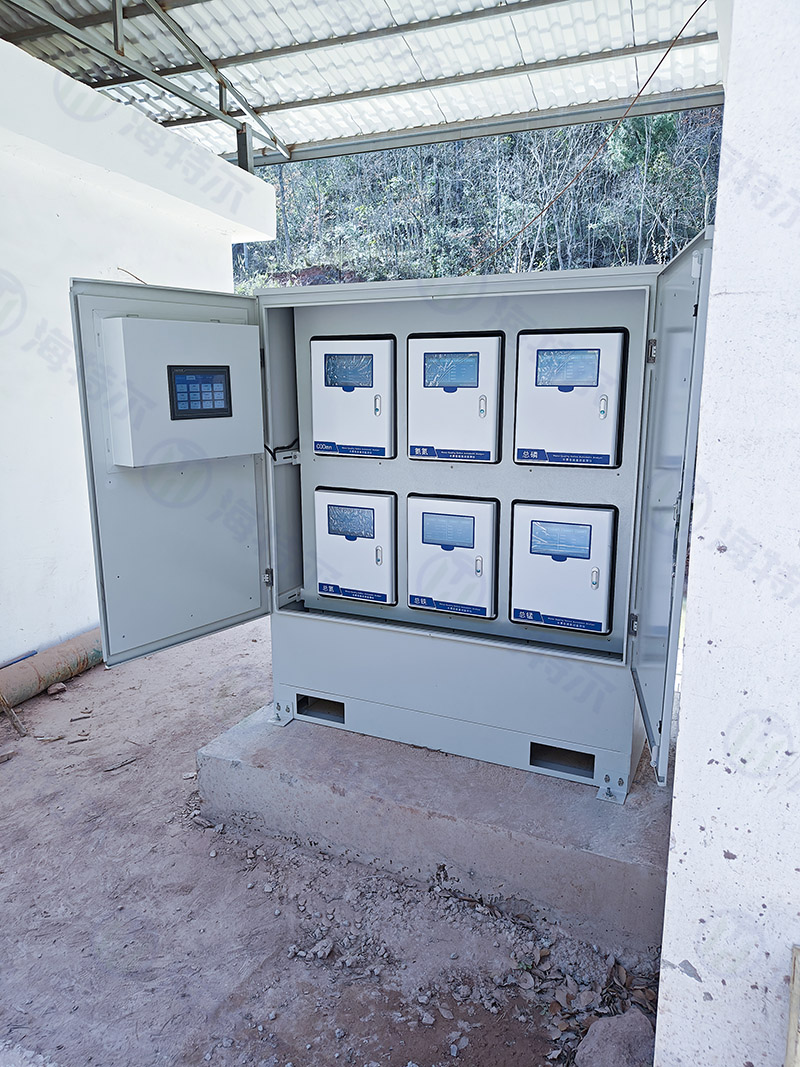
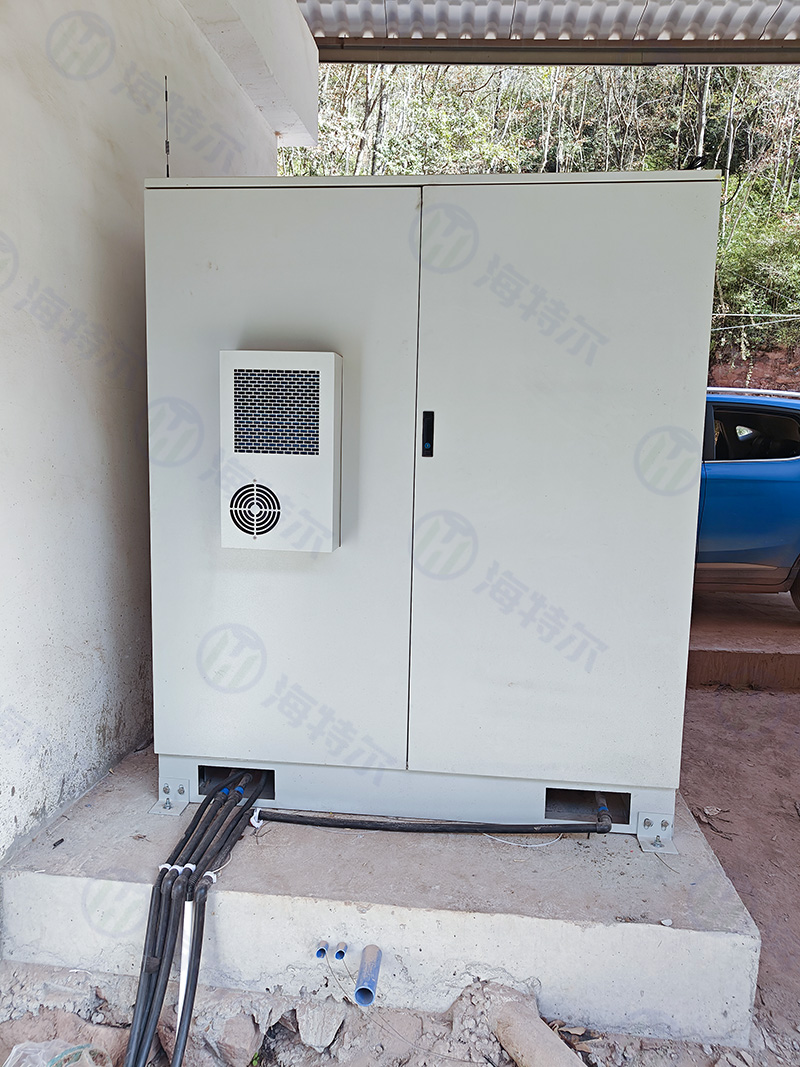
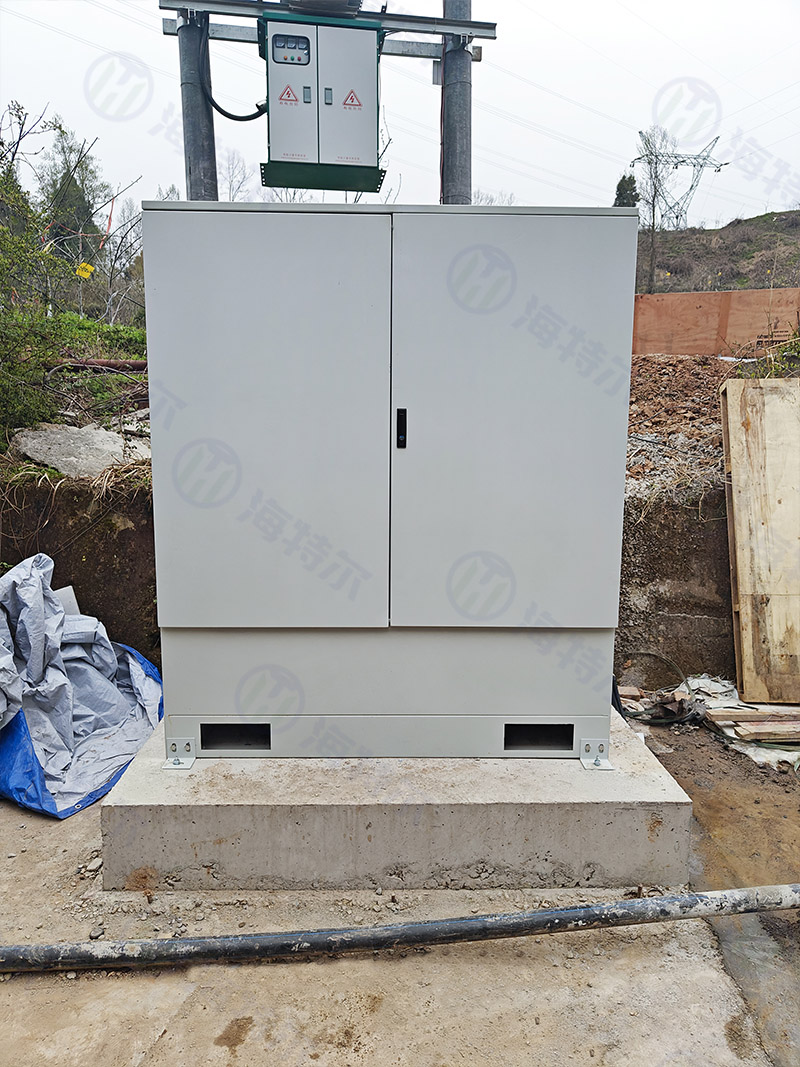
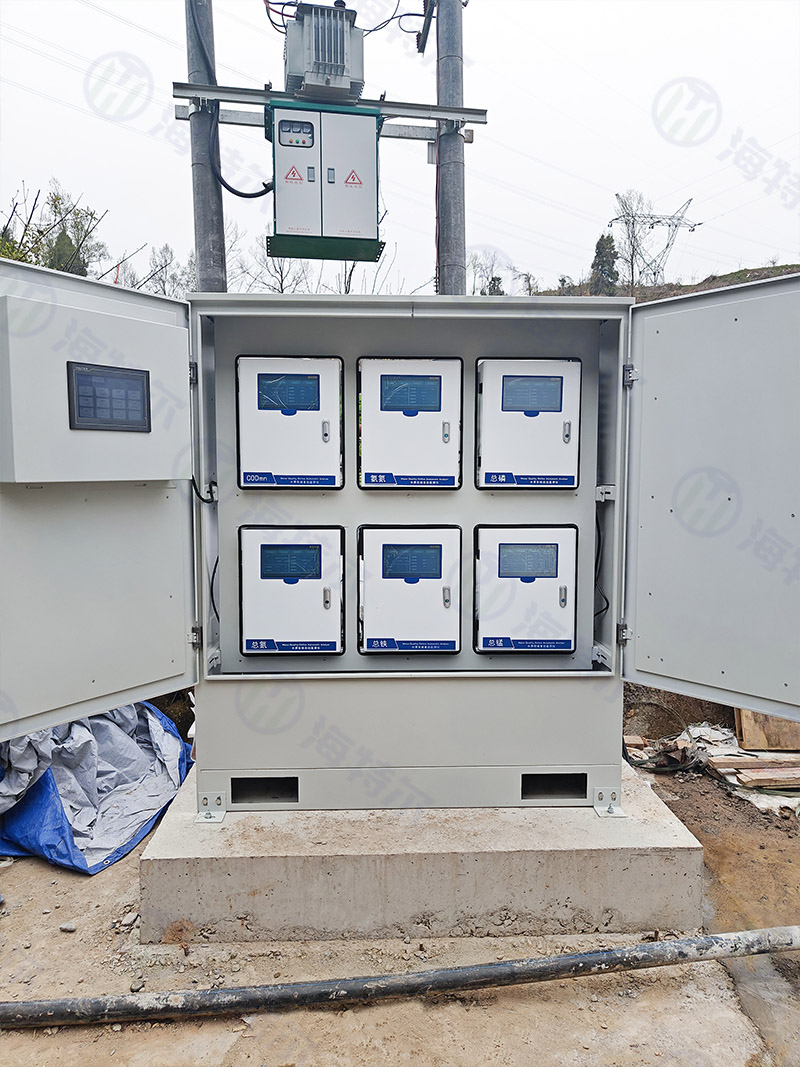
Water Quality Monitoring Stations for Drinking Water Sources
Water quality monitoring stations are primarily used to monitor the water quality of drinking water sources in real time, ensuring that water safety meets relevant standards. They serve as critical infrastructure for protecting public health and are essential for the timely detection and resolution of water quality issues.
Protection of Water Resources:
Monitoring stations can detect and monitor hazardous substances in water bodies, promptly identifying potential source water contamination issues and ensuring the safety of water for residential, industrial, and agricultural use.
Environmental Protection:
By monitoring indicators such as dissolved oxygen, turbidity, pH, and chemical composition, the stations assess changes in water quality, thereby ensuring the stability and health of the aquatic ecosystem. They also provide a scientific basis for the formulation of local environmental protection policies.
Real‑time Monitoring and Early Warning:
Water quality monitoring stations offer real‑time monitoring capabilities, enabling rapid detection of changes in pollutant concentrations. Once water quality anomalies or exceedances of safety standards occur, an early warning system is immediately activated to notify relevant authorities to take action.
Data Sharing and Transparency:
The stations share collected data with government agencies, enterprises, and the public. This enhances transparency in water environmental protection and promotes public participation in water resource conservation efforts.
Guidance for Remedial Measures:
They provide accurate data support to help decision‑makers understand water quality status, thereby enabling the formulation of effective management strategies to prevent water quality deterioration and improve existing water quality issues.
Regulatory Compliance and Quality Control:
The stations ensure that local water quality meets national and local environmental protection regulations. They are also used to evaluate the effectiveness of water treatment processes, ensuring that the effluent from water treatment plants meets drinking water standards.

Mobile Official Website

WeChat Official Account
ADDRESS:Liandong U Valley, No. 328 Chengkang Road, Xiazhuang
Subdistrict, Chengyang District, Qingdao City, Shandong Province
E-MAIL:qdhaiter@163.com
Copyright © 2026 Qingdao Haiter Environmental Protection Technology Co., Ltd www.haiterhb.com
ICP: Shandong ICP Filing No. 2021001700-1  Network Security Record No. 37021402001393 (Shandong)
Copyright © 2026 Qingdao Haiter Environmental Protection Technology Co., Ltd www.haiterhb.com
ICP: Shandong ICP Filing No. 2021001700-1 Network Security Record No. 37021402001393 (Shandong)
TEL:400-106-2686