Doppler Flowmeter
Working Principle of Doppler Flowmeter
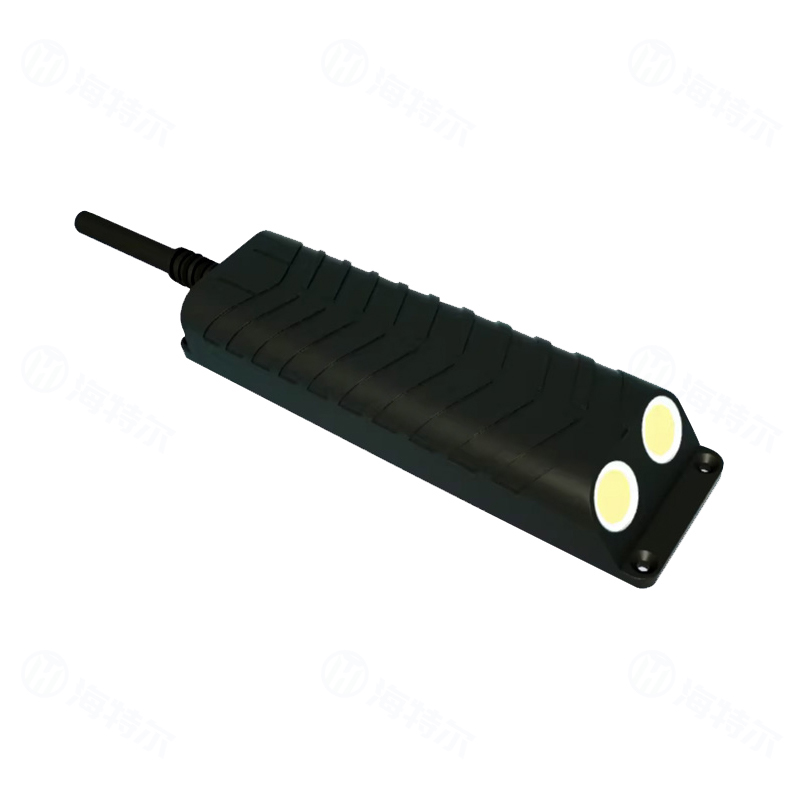
When there is relative motion between an ultrasonic sound source and an observer, the frequency received by the observer differs from the original frequency of the ultrasonic source. Similarly, tiny particles and micro bubbles moving with water relative to the ultrasonic transducer will also cause a shift in the received frequency. The frequency shift increases with the rising moving speed of suspended substances in water.
By measuring the Doppler frequency shift, the flow velocity of water at the installation point of the Doppler flowmeter can be obtained. The flow rate is then calculated by multiplying the flow velocity by the cross-sectional area of the channel.
The flowmeter is mainly applied to irrigation open channels, municipal sewer pipelines, hydrological basins and other scenarios. It is especially suitable for low-water-level conditions and can operate stably when the water level exceeds 15 cm.
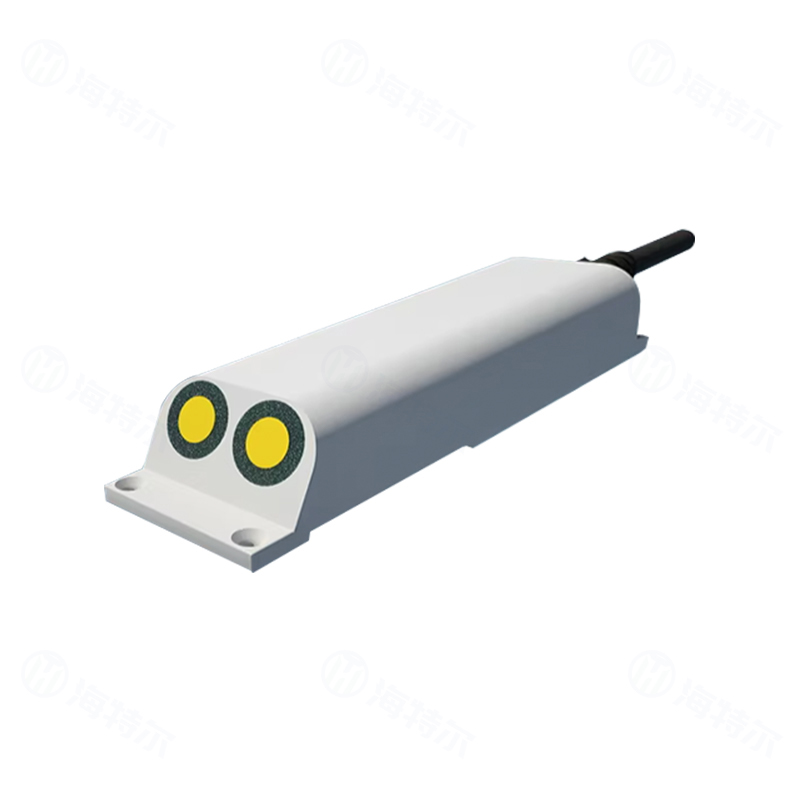
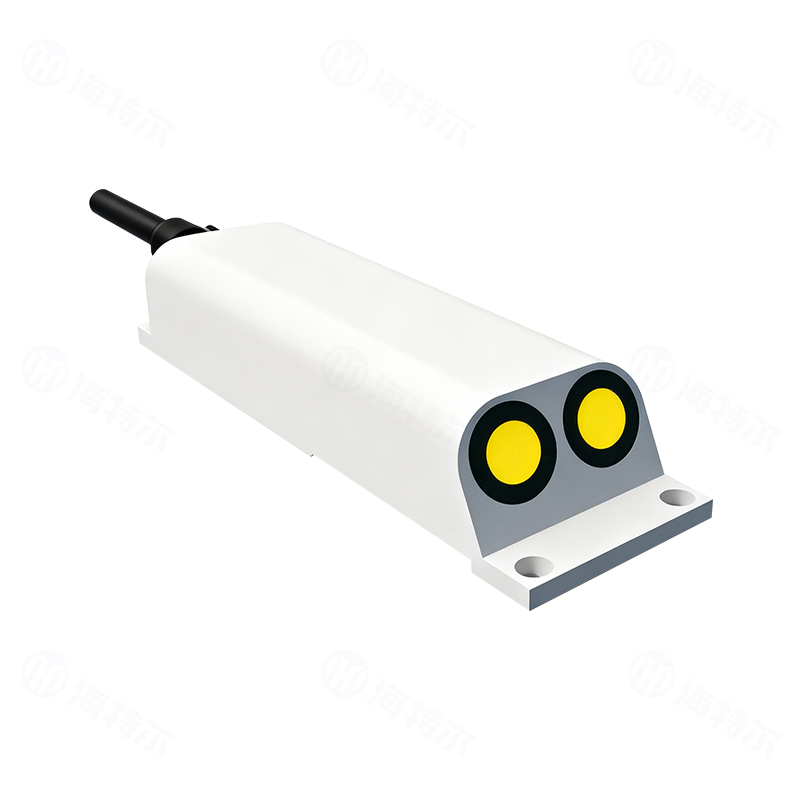
For regular pipelines and channels, the water depth is measured by the pressure Doppler velocimeter, while the flow velocity is detected by the ultrasonic Doppler velocimeter; the flow rate is calculated accordingly.
Doppler velocity measurement relies on the sound propagation speed in water, which is closely related to water temperature. Therefore, a built-in temperature measuring module of the Doppler velocimeter is adopted to monitor water temperature and further correct the sound velocity.
The liquid level depth is measured by the pressure Doppler velocimeter, which detects the vertical distance from the installation position of the velocimeter to the water surface.
Built-in section models of trapezoidal, rectangular, circular and U-shaped channels are stored in the memory, supporting flow calculation for common channel types.




 Network Security Record No. 37021402001393 (Shandong)