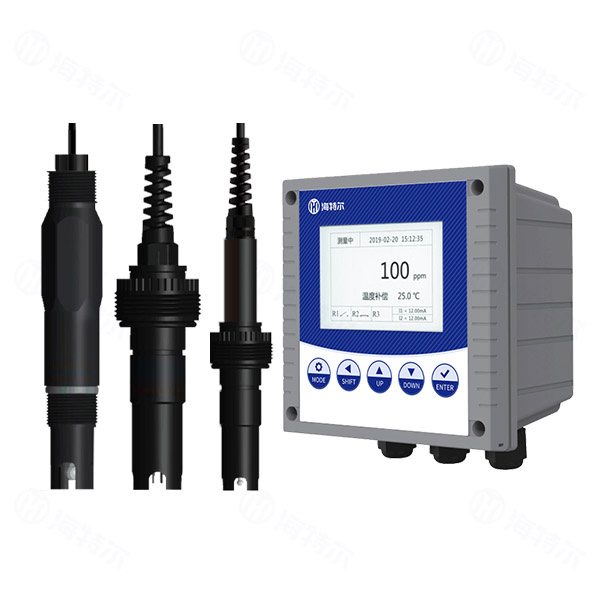
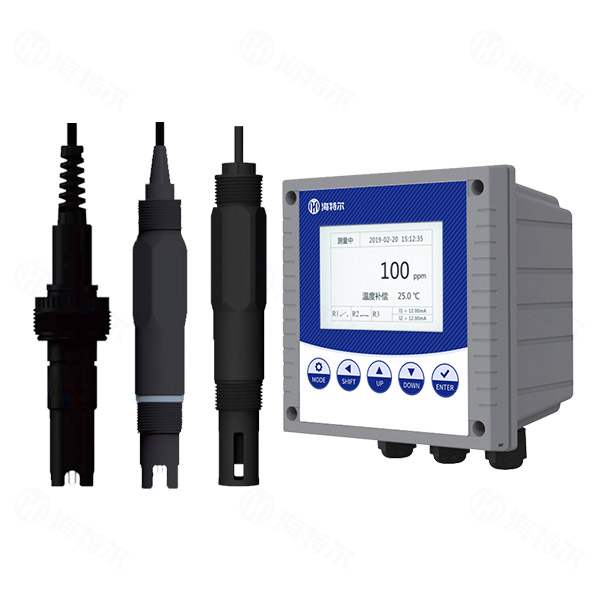
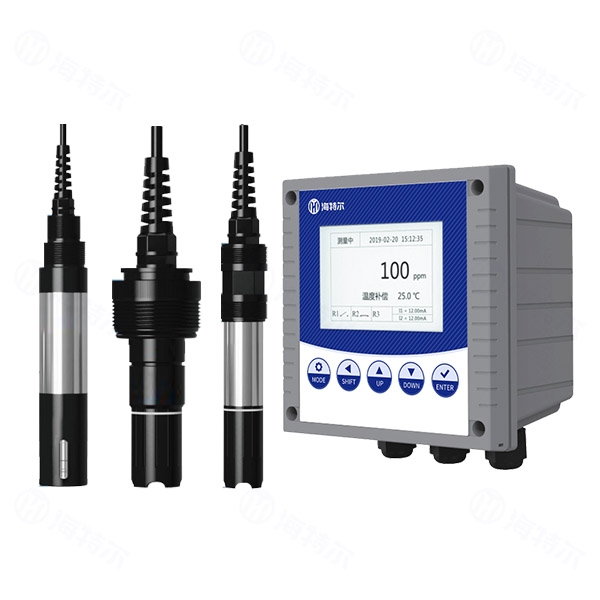
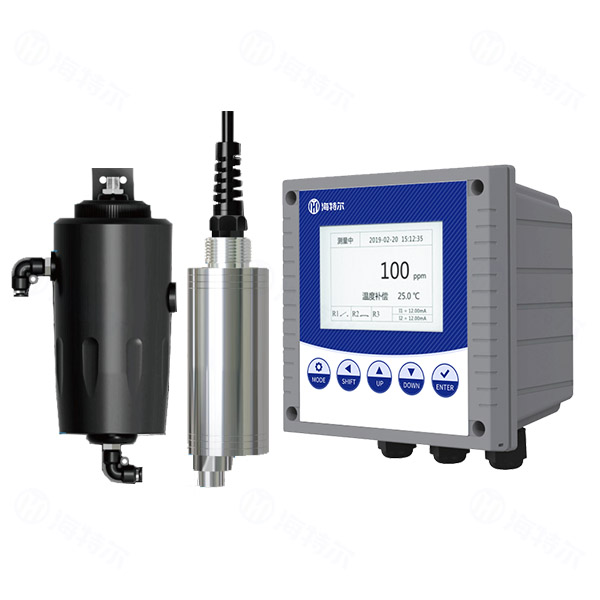
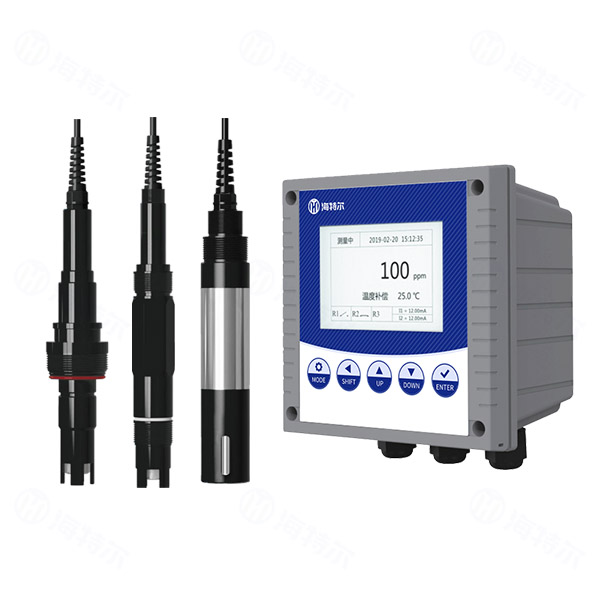
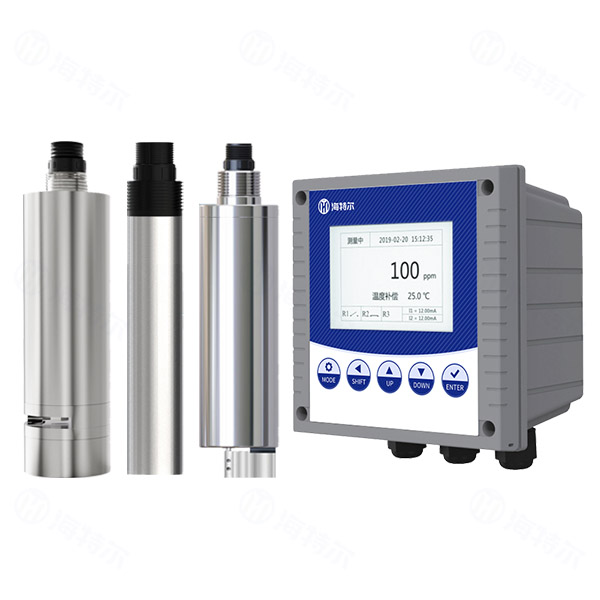
Film coated electrode method
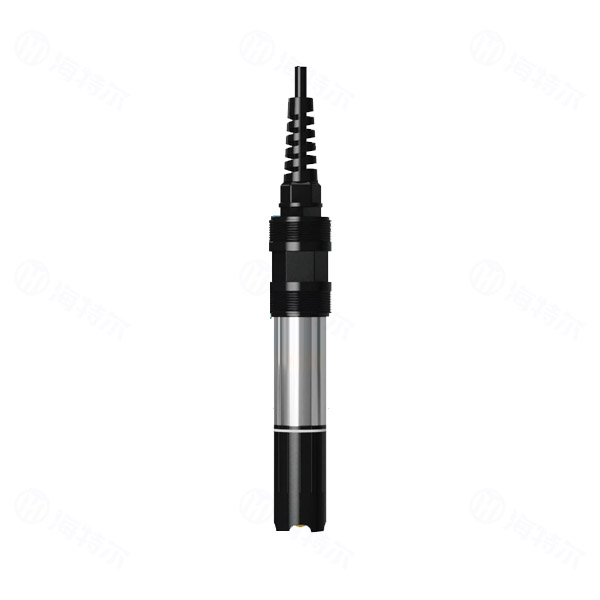
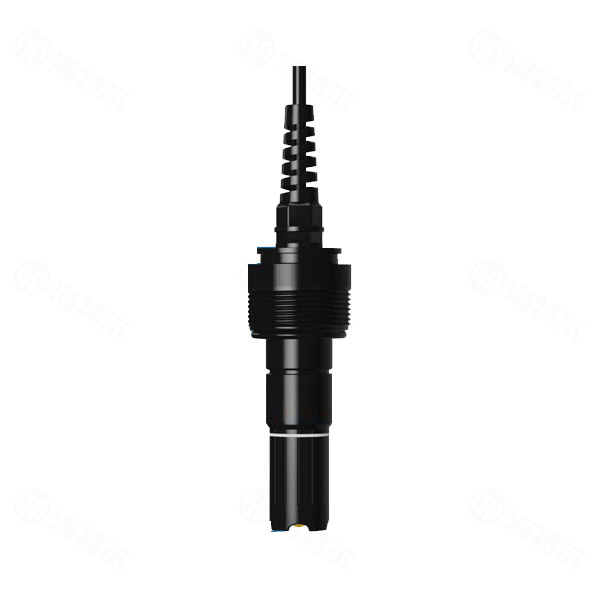
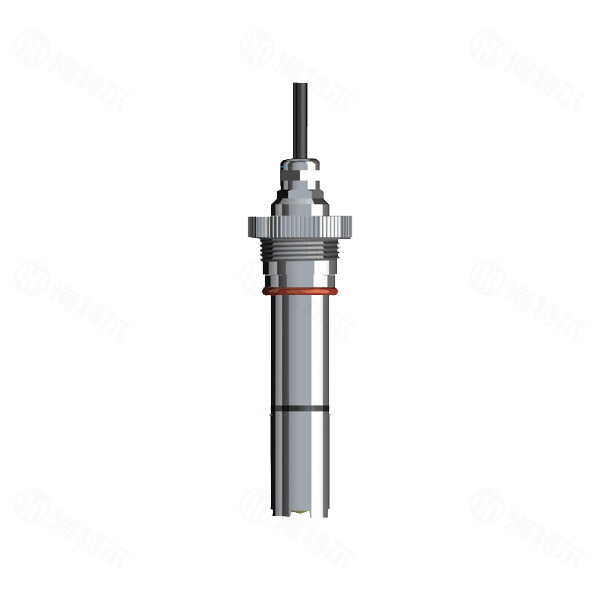
Principle: The electrode is immersed in an electrolyte chamber, which contacts the water through a porous hydrophilic membrane. Hypochlorous acid diffuses through the porous hydrophilic membrane into the electrolyte chamber, generating a current on the electrode surface. The magnitude of this current depends on the rate of hypochlorous acid diffusion into the electrolyte chamber, and the diffusion rate is proportional to the residual chlorine concentration in the solution. By measuring the current, the residual chlorine concentration in the solution can be determined.
Features: No reagents required. Drift may occur in the presence of surfactants. The membrane pores can become clogged by lipids, requiring periodic cleaning and replacement of the membrane and electrolyte. Calibration must be performed using DPD indicator. The measurement environment is synchronized with the pH of the water. In combination with the interference of combined chlorine on the disinfection capacity, the actual disinfection strength of the water may be low.
Constant voltage method
Principle: A stable potential is maintained between the measuring and reference electrodes. Different analytes generate different current intensities at this potential. The system consists of two platinum electrodes and one reference electrode forming a microcurrent measurement system. At the measuring electrode, chlorine molecules or hypochlorite ions are consumed, and the resulting current intensity is related to the concentration of residual chlorine in the water.
Features: In the pH range of 6-8, the measured signal decreases as pH increases. Therefore, for residual chlorine measurement, this method is recommended for conditions with pH ≤ 8. If the pH of the water is constant, the effect of pH can be compensated by on-site calibration. Real-time online detection, fast response, no need for periodic replacement of reagents, electrolyte, or membranes, and simple maintenance.
Membrane Electrode Method (Film coated electrode method)
Principle: The electrode is immersed in an electrolyte chamber, which contacts the water through a porous hydrophilic membrane. Hypochlorous acid diffuses through the porous hydrophilic membrane into the electrolyte chamber, generating a current on the electrode surface. The magnitude of this current depends on the rate of hypochlorous acid diffusion into the electrolyte chamber, and the diffusion rate is proportional to the residual chlorine concentration in the solution. By measuring the current, the residual chlorine concentration in the solution can be determined.
Application scope: swimming pools, aquaculture, industrial aeration tanks, laboratories, chemical plants, domestic sewage, etc.





 Network Security Record No. 37021402001393 (Shandong)