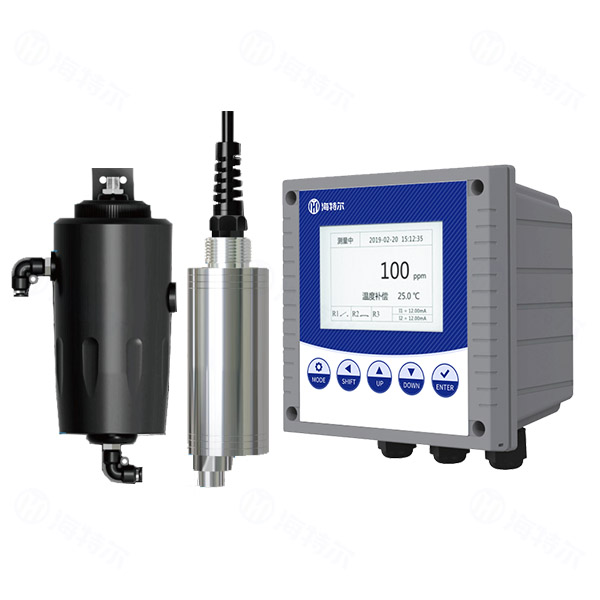
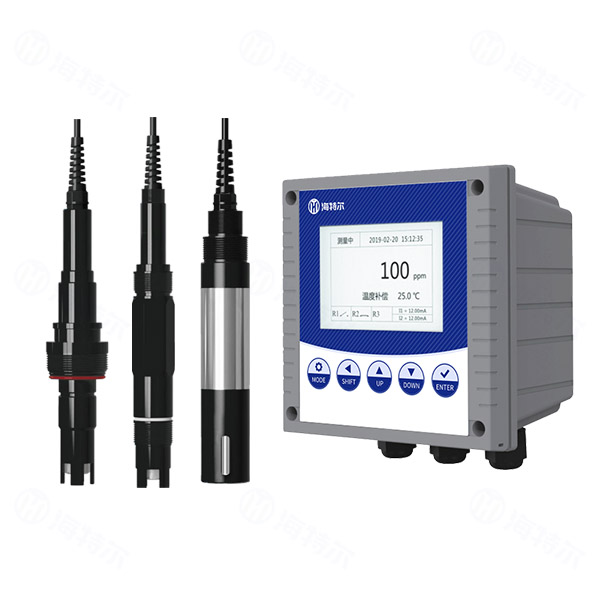
Optical Sensor
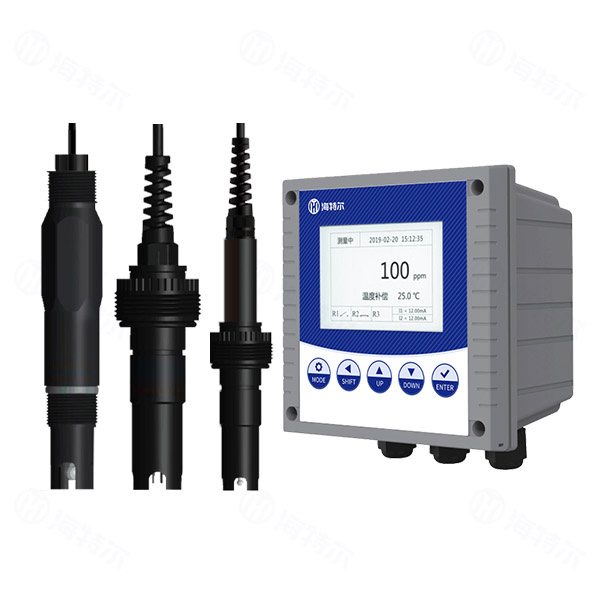
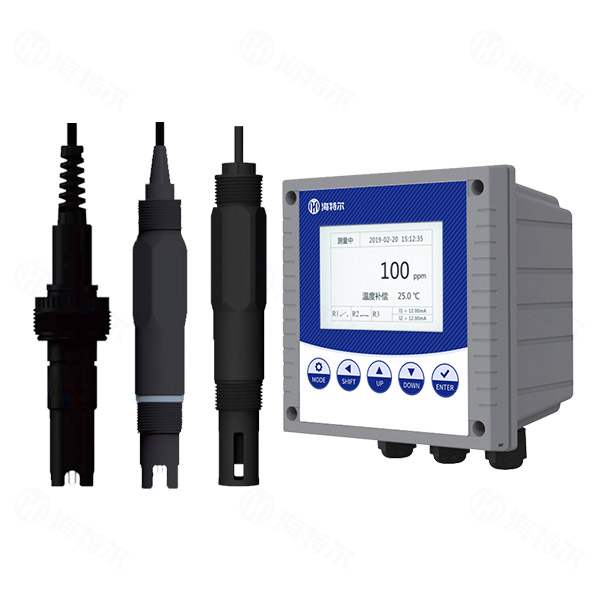
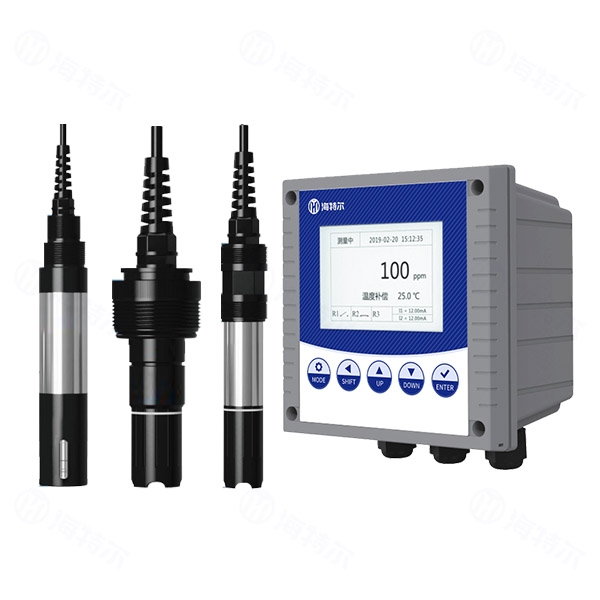
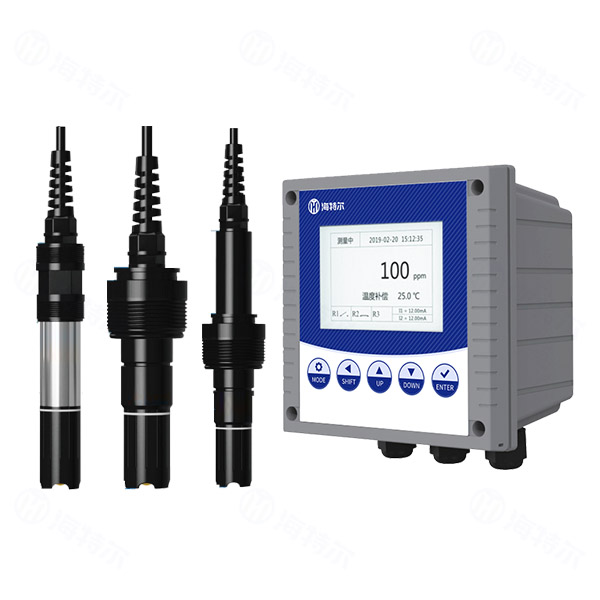
The optical sensor is a core technology module in online water quality monitoring instruments. It utilizes the interaction between light and substances in water to achieve real-time, rapid, and non-contact measurement of various water quality parameters. Compared with traditional electrochemical sensors, optical sensors offer multiple advantages such as fast detection speed, no need for chemical reagents, no secondary pollution, low maintenance requirements, and no interference from chloride ions. Therefore, they are widely used in various water quality monitoring scenarios.
Optical measurement plays an important role in water quality monitoring and can be used to measure various parameters in water. Optical sensors operate based on optical principles and have many advantages, including non-contact and non-destructive measurement, minimal interference, high-speed transmission, as well as remote sensing and remote control capabilities.
The working mechanism of optical sensors is primarily based on the absorption and scattering characteristics of light. When a beam of light of a specific wavelength passes through a water sample, suspended particles in the water scatter the light. The intensity of the scattered light is proportional to the turbidity of the water, a principle widely used for turbidity measurement. More complex optical techniques, such as ultraviolet absorption, utilize the characteristic absorption of specific ultraviolet wavelengths by organic substances in water to estimate key indicators like Chemical Oxygen Demand (COD) without any reagents, truly achieving pollution-free green monitoring.
Tracer
Fluorescent tracer: Uses advanced fluorescent tracer technology. First, the corrosion and scale inhibitor is traced. After the chemical is dosed, when the circulating water flows through a bypass into the water sample collector, the traced chemical is activated by the instrument's monochromatic light, producing fluorescence. The fluorescence intensity is linearly related to the concentration of the chemical.
Blue-green algae
Blue-green algae: Optical measurement of blue-green algae typically uses the fluorescence property of algal chlorophyll. These sensors can assess the concentration of algae in water by measuring the fluorescence intensity of algal chlorophyll, thereby monitoring eutrophication and potential algal blooms.
COD
Chemical Oxygen Demand, abbreviated as COD, uses a chemical oxidant (such as potassium permanganate) to oxidize and decompose oxidizable substances in water (e.g., organic matter, nitrite, ferrous salts, sulfides, etc.), and then calculates the oxygen consumption based on the amount of residual oxidant. COD is an important indicator of water pollution level. It reflects the degree of organic pollution in water; the higher the COD, the more severe the organic pollution.
Chromaticity
Chromaticity refers to the color of water, i.e., the degree of yellowish to yellowish-brown color presented by dissolved or colloidal substances in water. Water chromaticity is divided into apparent color and true color. Apparent color refers to the color of water without removing suspended solids, including colors produced by dissolved substances and insoluble suspended solids. True color refers to the color of water after removing suspended solids, produced only by dissolved colored substances.
Oil in water
Oil in water, as the name implies, refers to oil present in water bodies. Main sources of oil in water include petroleum extraction, industrial wastewater from chemical plants, urban domestic sewage, and animal decomposition products. The most significant source is petroleum extraction; during oil extraction and transportation, some oil enters water bodies, causing water pollution.
Chlorophyll
Chlorophyll is the photosynthetic pigment of plants and algae, commonly used to estimate biomass in water bodies. Optical sensors can utilize the absorption or fluorescence spectra of chlorophyll to estimate the concentration of chlorophyll in water by measuring these characteristics.





 Network Security Record No. 37021402001393 (Shandong)