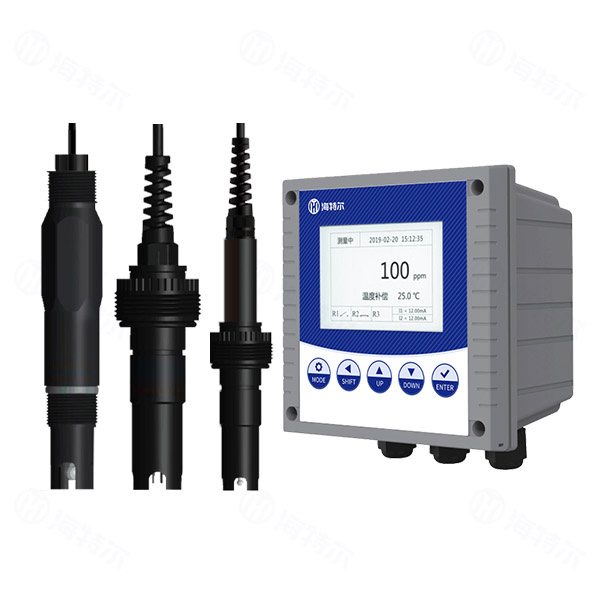
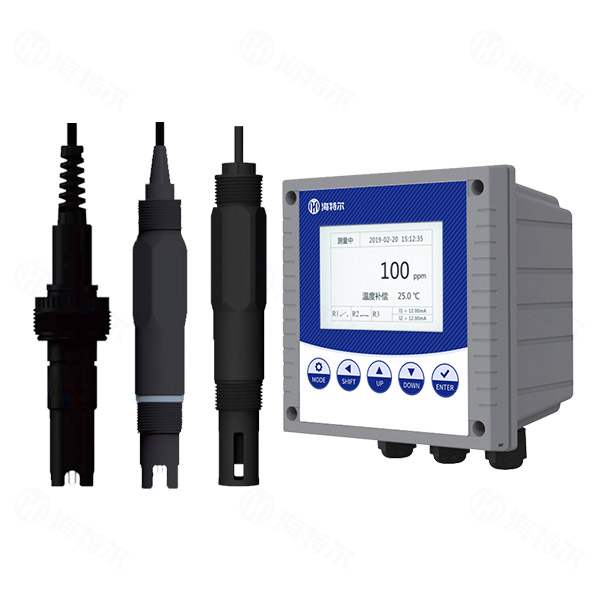
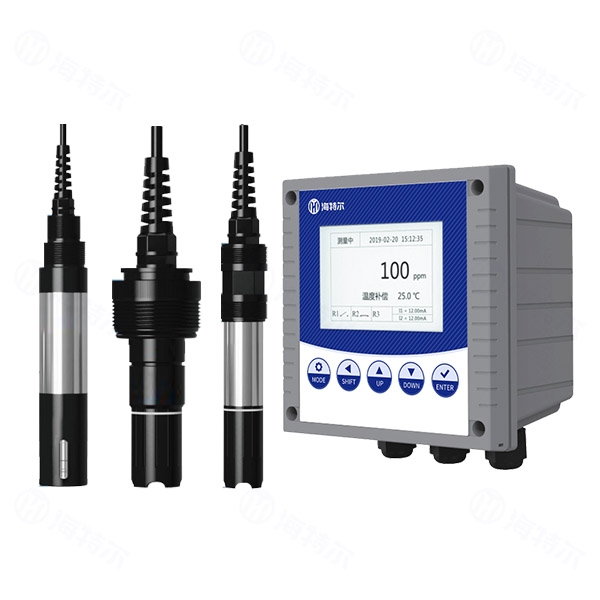
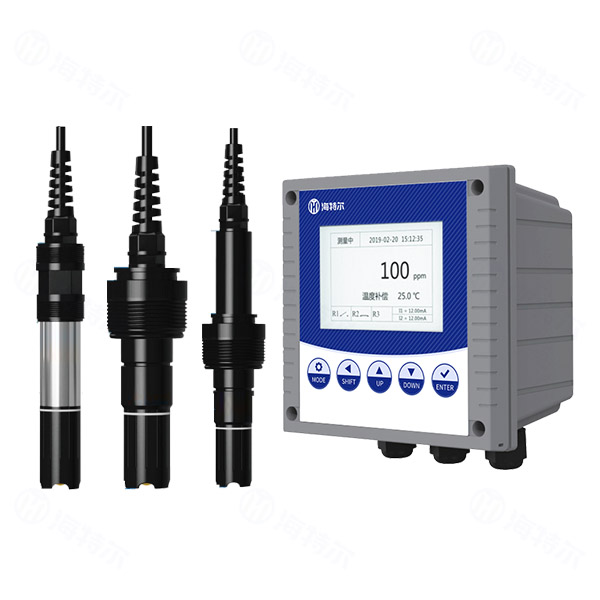
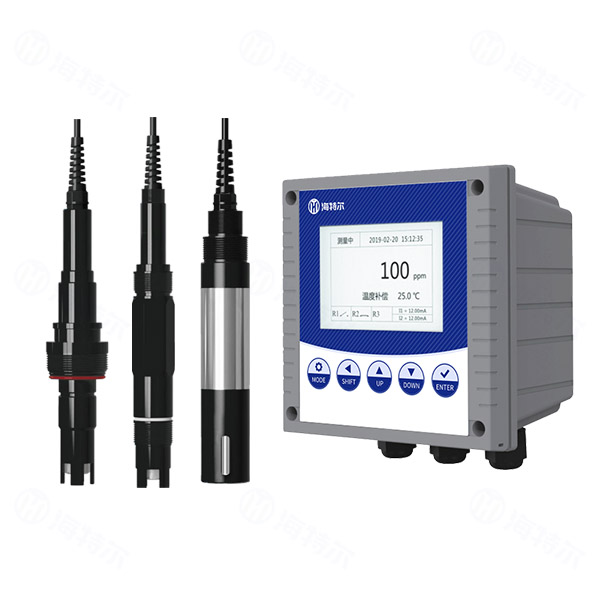
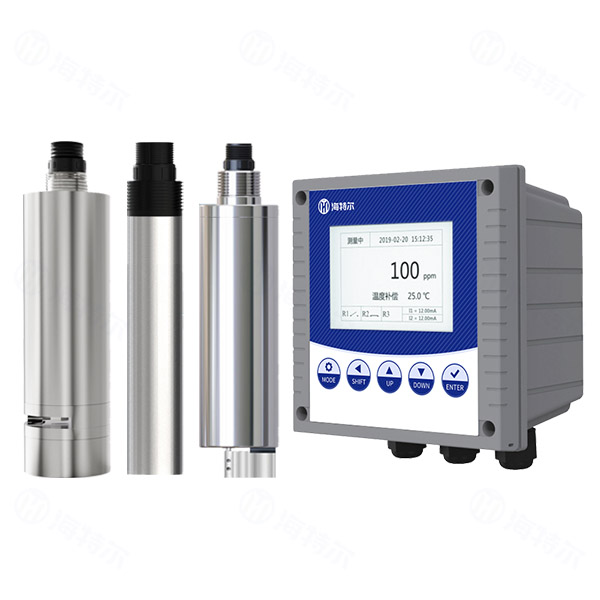
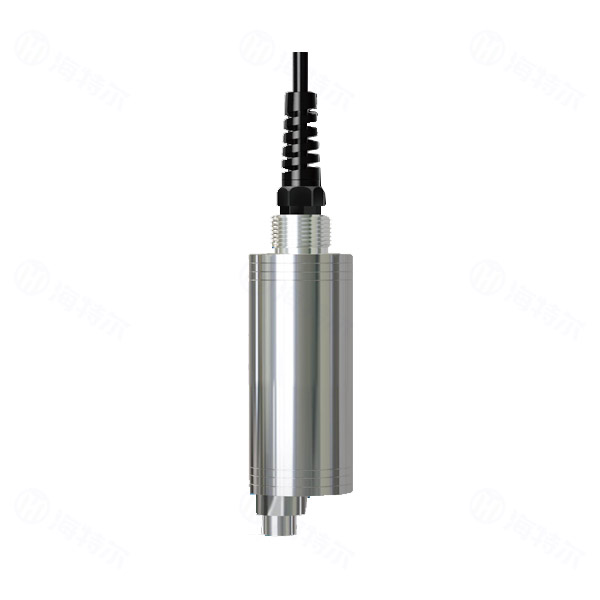
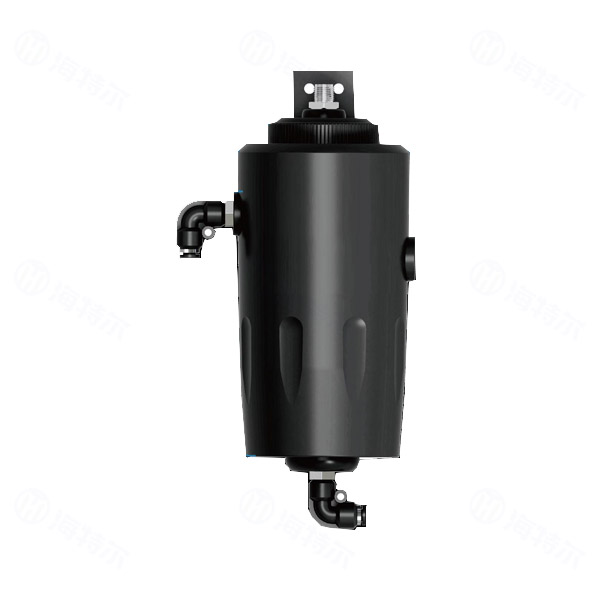
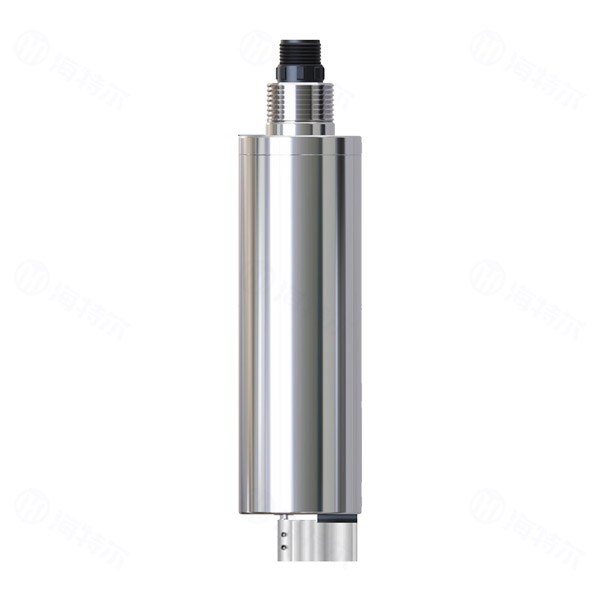
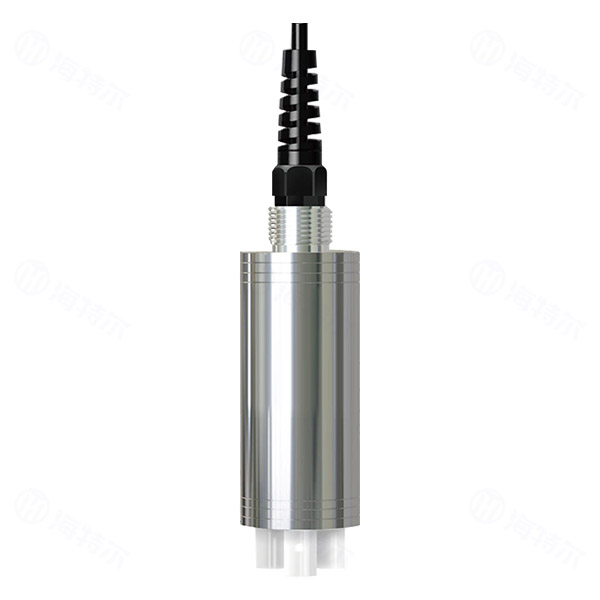
A turbidity sensor is a sensor used to measure the turbidity or suspended solid content of a liquid. Turbidity refers to the concentration of suspended particles in a liquid and is typically assessed by measuring the scattering or absorption of light. This type of sensor is widely used in water quality monitoring, environmental monitoring, industrial process control, and other fields.
The working principle of a turbidity sensor typically involves emitting light into the liquid and measuring the scattering or absorption that occurs as the light passes through the liquid. Turbidity sensors can employ different technologies, including laser scattering, infrared absorption, and visible light scattering.
Laser scattering turbidity sensor: Uses a laser light source to emit a laser beam and measures the intensity of scattered light to determine turbidity.
Infrared absorption turbidity sensor: Uses an infrared light source to measure the intensity of light transmitted through the liquid; increased turbidity leads to increased light absorption.
Visible light scattering turbidity sensor: Uses a visible light source to measure the intensity of scattered light.
Applications of turbidity sensors include water treatment, drinking water quality monitoring, swimming pool water quality monitoring, industrial wastewater treatment, etc. By monitoring the turbidity of a liquid, water quality issues can be detected in a timely manner, and appropriate measures can be taken to maintain water safety.
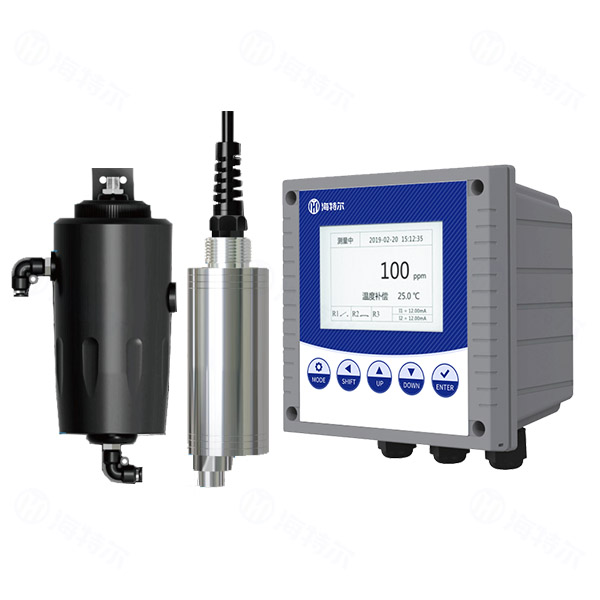
A turbidity sensor is a sensor used to measure the turbidity or suspended solid content of a liquid. Turbidity refers to the concentration of suspended particles in a liquid and is typically assessed by measuring the scattering or absorption of light. This type of sensor is widely used in water quality monitoring, environmental monitoring, industrial process control, and other fields.应用范围:污水处理、洗煤厂、工业废水、实验室、自来水厂、二次供水等




 Network Security Record No. 37021402001393 (Shandong)