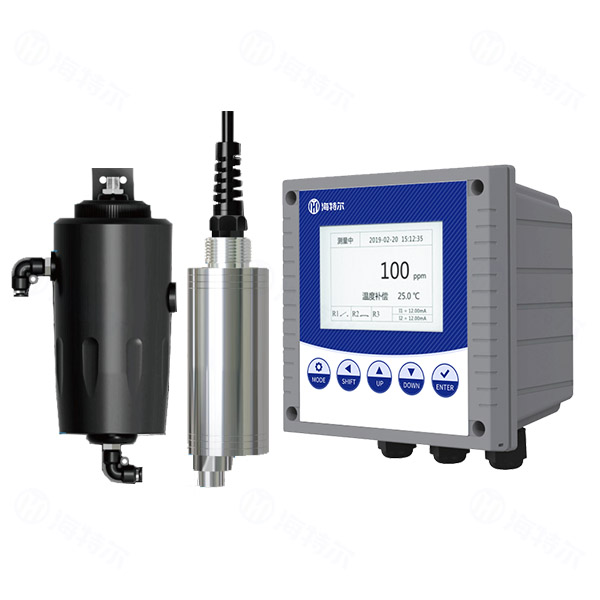
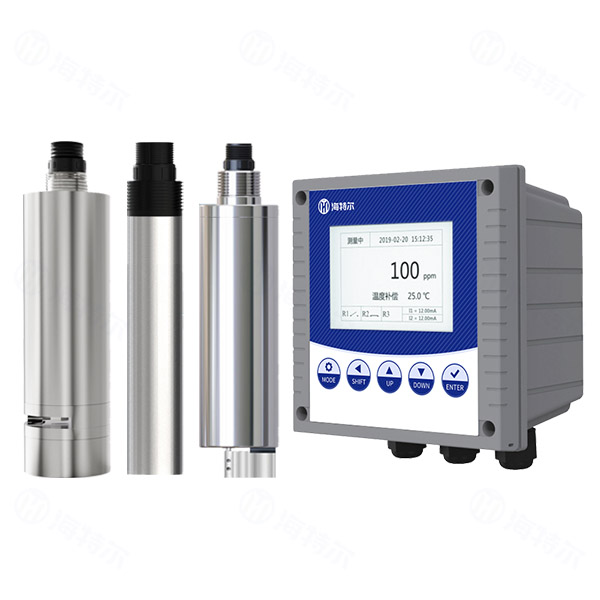
Ion
Elemental ion analysis refers to selecting appropriate analytical methods based on the different characteristics of a sample to determine the type and content of elements or ions in the sample, thereby achieving the analysis of element or ion species and content, and meeting customer requirements for elemental ion analysis.
To protect the water environment, it is necessary to strengthen the monitoring of sewage discharge. The design of monitoring points and the quality of monitoring instruments (mainly water quality analyzers and ion analyzers) play a crucial role in water environment monitoring.
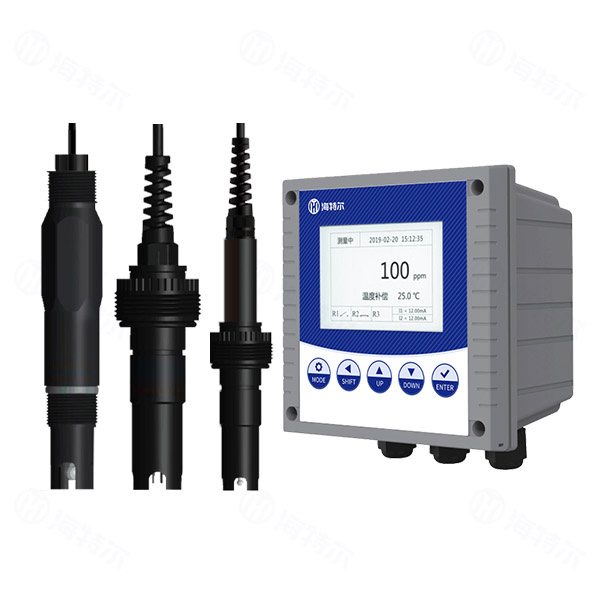
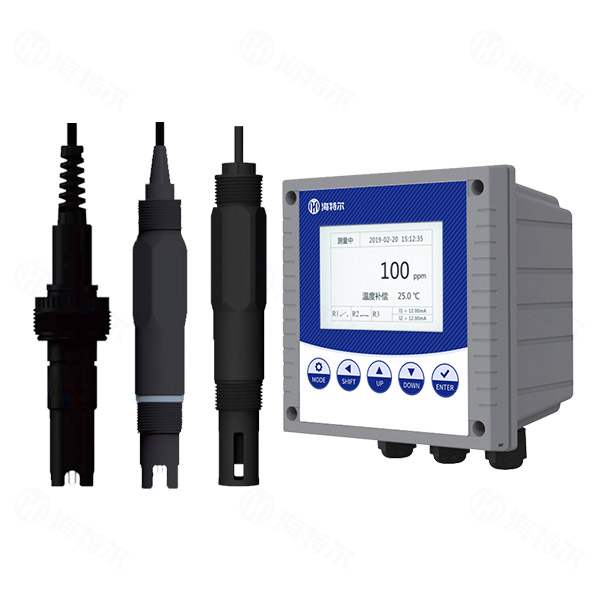
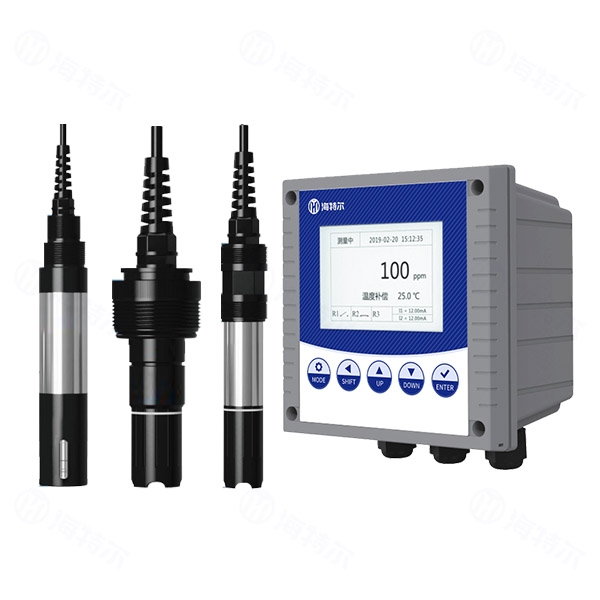
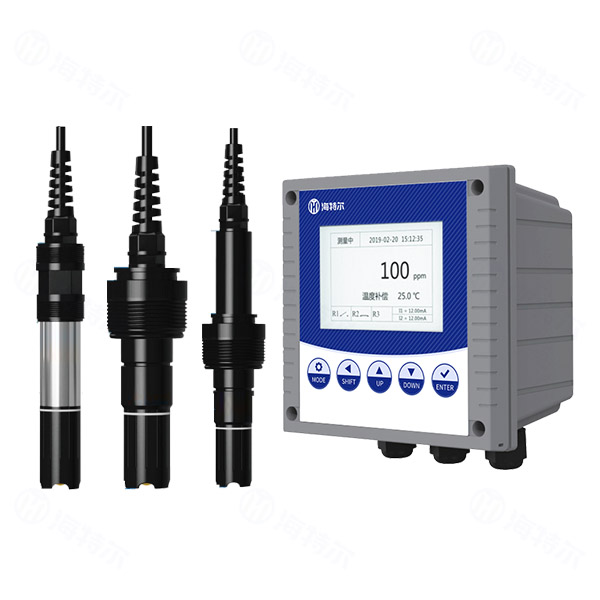
Ion analyzers can quickly and conveniently quantify the concentration of fluoride ions, nitrate ions, pH, water hardness (Ca²⁺, Mg²⁺ ions), K⁺, Na⁺ and other ions in water, as well as accurately determine the concentration of various pollutants.
Here is the English translation of the provided technical description of the ion analyzer:
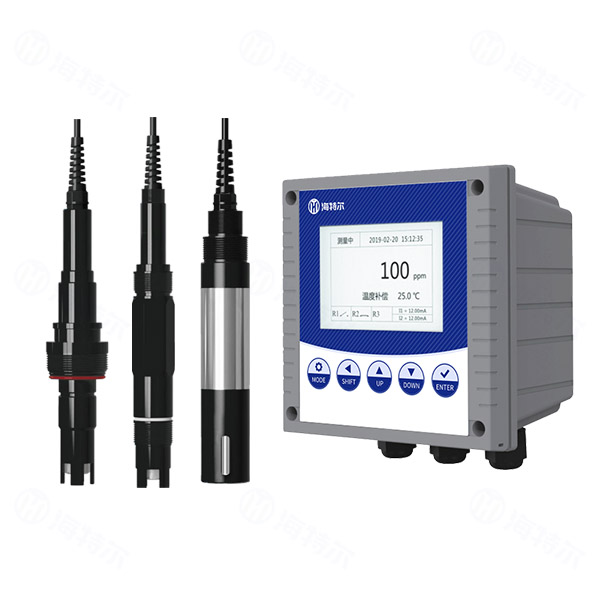
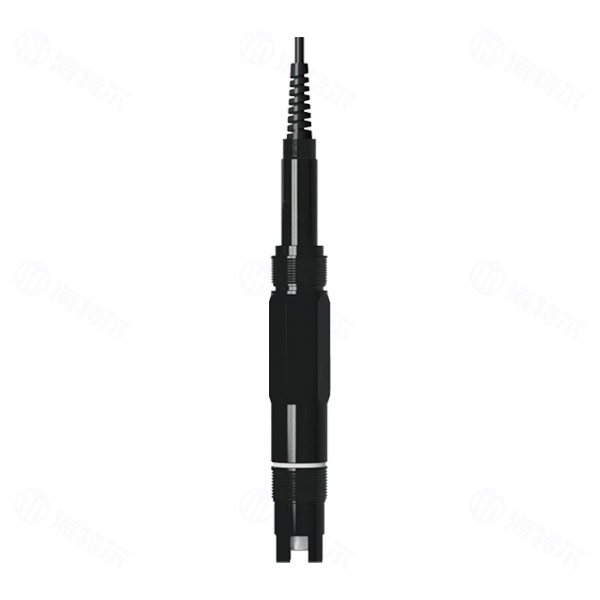
Ion analyzer mainly uses the ion-selective electrode measurement method to achieve accurate detection. The electrodes on the instrument include: fluoride, sodium, potassium, calcium ion, magnesium, and a reference electrode. Each electrode has an ion-selective membrane that reacts with the corresponding ions in the sample to be measured. The membrane is an ion exchanger that reacts with the ion charge, thereby changing the membrane potential, allowing detection of the potential between the liquid, the sample, and the membrane. The potential difference detected on both sides of the membrane generates a current. The sample, reference electrode, and reference electrode solution form one side of the "circuit," while the internal electrode solution and internal electrode form the other side.
The difference in ion concentration between the internal electrode solution and the sample generates an electrochemical voltage across the membrane of the working electrode. This voltage is conducted through the highly conductive internal electrode to the amplifier, and the reference electrode is similarly connected to the amplifier ground. A calibration curve is obtained by measuring a standard solution with a precisely known ion concentration, thereby enabling the measurement of ion concentration in the sample. When the ions to be measured in the solution come into contact with the electrode, ion migration occurs within the hydrated layer of the ion-selective electrode matrix. The charge of the migrating ions alters the existing potential, thus causing a change in the potential across the membrane surface, generating a potential difference between the measuring electrode and the reference electrode.





 Network Security Record No. 37021402001393 (Shandong)